Clinical Trials
Clinical trials are research studies that involve people and are conducted to evaluate the safety and efficacy of new treatments or interventions, such as drugs, medical devices, or behavioural therapies.
Study Protocols
Published study protocols are detailed plans that outline the objectives, methodology, statistical analyses, and organisation of a research study that have been made publicly available for others to review and use as a reference.
Presentation Slides
Chinese Medicine Research Hub
Review Article
Acupuncture, via nerve stimulation, can be a promising treatment strategy for controlling inflammation and improving organ function during sepsis by activating immune reflexes.
2021 Autonomic Neuroscience: Basic and Clinical Acupuncture modulates immunity in sepsis: Toward a science-based protocol
Pan WX, Fan AY, Chen S, Alemi SF.
Chinese Medicine Research Hub
Systematic Review
Most Chinese medical herbs in the included studies showed similar effects to antiviral drugs in preventing or treating influenza.
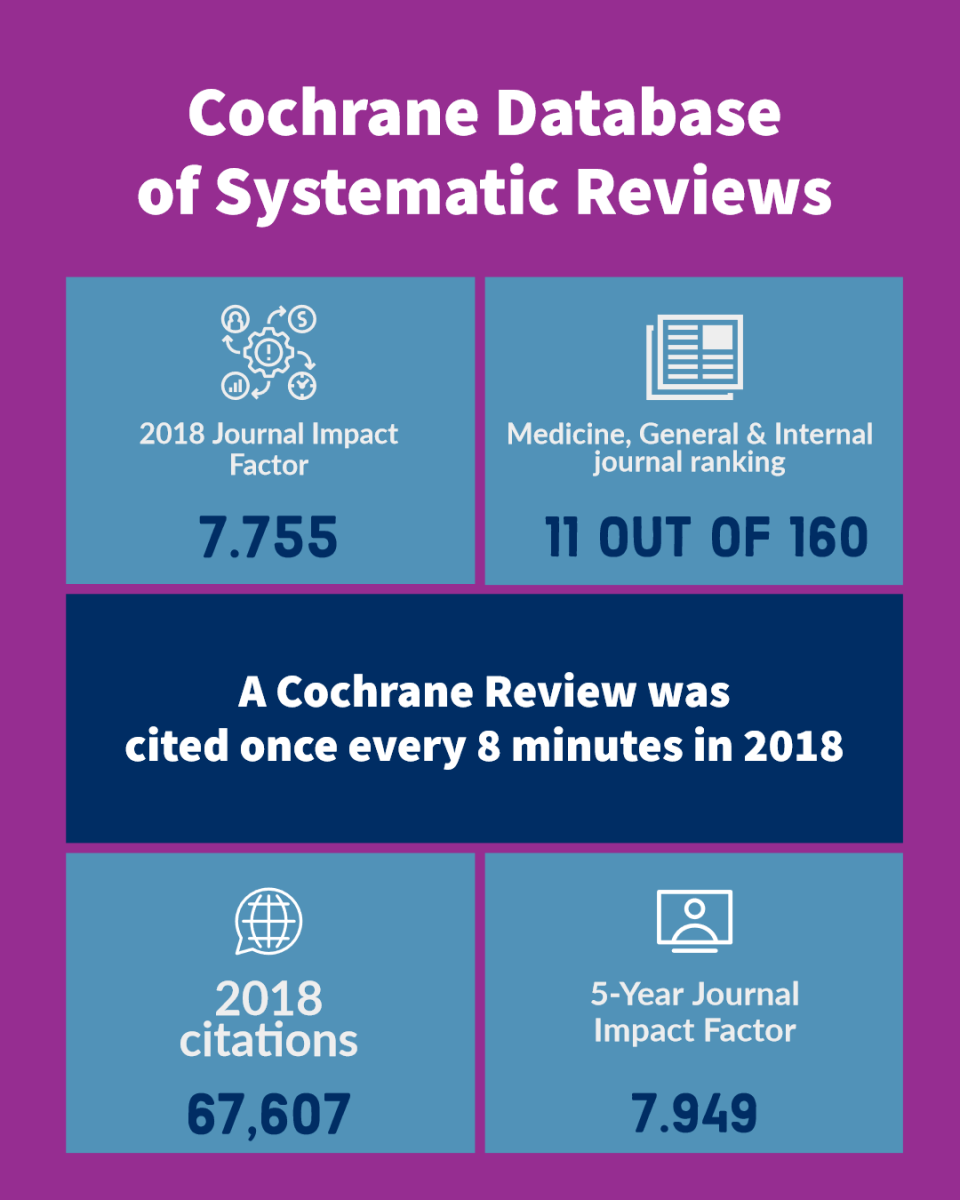
2013 Cochrane Database of Systematic Reviews Chinese medicinal herbs for influenza
Jiang L, Deng L, Wu T.
Executive Summary
Write an executive summary in the form of a blog article on the topic of "Research into Chinese medicine treatment for Common Cold, Flu & Viral Infections" summarising the research below and using language that can be easily understood by patients and avoiding medical jargon using a professional and caring tone of voice.
Write an executive summary in the form of a blog article on the topic of "Researched Chinese medicine treatments for Common Cold, Flu & Viral Infections" summarising the research below in an objective and easy to understand way, and using language that can be easily understood by patients. Group the article into Chinese medicine treatments first, followed by nutrition and other treatments. Avoid using medical jargon and use a professional and caring tone of voice.
Write me a concise but easy to understand executive summary on the topic of "Chinese medicine treatments for Common Cold, Flu & Viral Infections" based on the following research that I will give you. Your summary should be 2 paragraphs long in Australian English spelling and include references to the studies.
A Review Article published in 2021 in the journal Autonomic Neuroscience: Basic and Clinical found that Acupuncture, via nerve stimulation, can be a promising treatment strategy for controlling inflammation and improving organ function during sepsis by activating immune reflexes. The study used a neuromodulation approach, leveraging the technique of peripheral nerve stimulation through acupuncture. This was linked with known somatic-autonomous-immune reflexes with the aim to control inflammation and improve organ functions in sepsis cases. The local and systematic effects of this methodology were largely achieved through the activation of several reflexes. These included the somatic-sympathetic-splenic reflex, the somatic-sympathic-adrenal reflex, the somatic-vagal-splenic reflex, and the somatic-vagal-adrenal reflex. The activation of these particular reflexes is what sets acupuncture apart from other nerve stimulation techniques.
In terms of results, the method used for immunomodulation and inflammation control showed considerable promise for sepsis treatment. The acupuncture procedure achieved regulation by activating appropriate reflexes which in turn produced a systemic effect, thereby controlling inflammation and enhancing organ function. The research findings underscore acupuncture as an effective therapy, providing significant advantages for immunomodulation in acute inflammation such as sepsis, leading to a comprehensive, evidence-based therapy recommendation.
A Systematic Review published in 2013 in the journal Cochrane Database of Systematic Reviews found that Most Chinese medical herbs in the included studies showed similar effects to antiviral drugs in preventing or treating influenza. This updated review assessed the therapeutic effects and safety of Chinese medicinal herbs as an alternative and adjunctive therapy to other commonly used drugs for influenza. Eighteen studies involving 2521 participants were included in the review. 'Ganmao' capsules were found to be more effective than amantadine in decreasing influenza symptoms and aiding recovery in one study (in which adverse reactions were mentioned in the amantadine group although no data were reported). There were no significant differences between 'E Shu You' and ribavirin in treating influenza, nor in the occurrence of adverse reactions. The remaining 17 Chinese herbal trials showed a similar effect to antiviral drugs in preventing or treating influenza. However, since these included studies were of poor quality, the evidence does not support or reject the use of any Chinese herbal preparations for influenza. Highâ€quality trials are required.