Neuroplasticity
How to submit an article:
- Registered users can submit any published journal article that has a unique DOI (Digital Object Identifier) name or link to Research Hub.
- For example, you can paste the full DOI link:
https://doi.org/10.1109/5.771073or just the DOI name:10.1109/5.771073into the field above and click submit. - The person who is first to submit a valid article to Research Hub will forever be credited for it, and every article submission earns you +6 Research Points.
Published research studies are articles that present the findings of original research that has undergone a peer-review process and has been made publicly available in scholarly journals, books or other media.
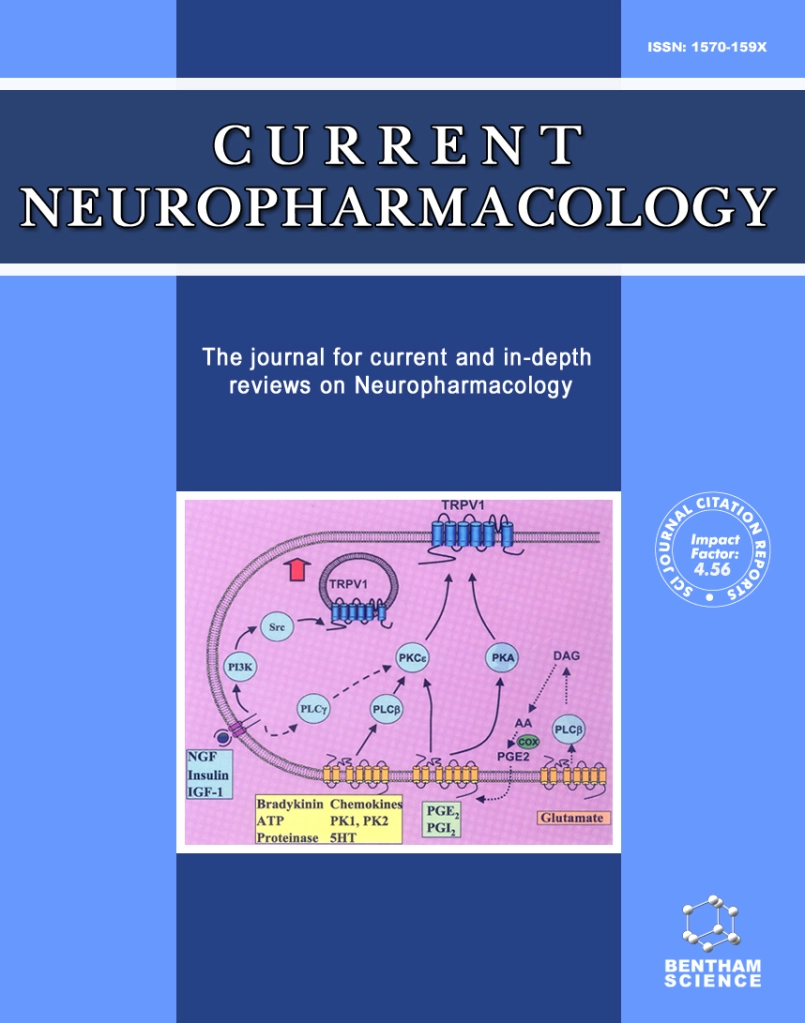
Potential Mechanisms and Clinical Effectiveness of Acupuncture in Depression
2022 Apr Current Neuropharmacology Yang NN, Lin LL, Li YJ, Li HP, Cao Y, Tan CX, et al.
Review Article Brain Inflammation Neuroplasticity Depression Chronic Pain-Related Depression Post-Stroke DepressionAcupuncture could help manage different types of depression by increasing neuroplasticity, decreasing brain inflammation, and reducing side effects of conventional antidepressant treatment.
Rewiring the Primary Somatosensory Cortex in Carpal Tunnel Syndrome with Acupuncture
2018 Aug Journal of Acupuncture and Meridian Studies Napadow V, Maeda Y, Kim H, Kettner N, Kim J, Cina S, et al.
Acupuncture at local versus distal sites may improve median nerve function at the wrist by somatotopically distinct neuroplasticity in the primary somatosensory cortex following therapy.
Randomised Controlled Trial Carpal Tunnel Syndrome
Spinal Cord Injury: How Could Acupuncture Help?
2018 May 30 Journal of Acupuncture and Meridian Studies Qianqian, F., Omer, C., Lize, X., et al.
Review ArticleAcupuncture effectively manages a range of post-spinal cord injury complications, including motor and sensory dysfunction, pain, neurogenic bowel and bladder, pressure ulcers, spasticity, and osteoporosis.
Research insights are moderated by the Research Hub team and offer an at-a-glance overview of interesting research findings.
2022 Current Neuropharmacology
Acupuncture could help manage different types of depression by increasing neuroplasticity, decreasing brain inflammation, and reducing side effects of conventional antidepressant treatment.
Review Article Brain Inflammation Chronic Pain-Related Depression Depression Post-Stroke Depression
Potential Mechanisms and Clinical Effectiveness of Acupuncture in
Depression
Yang NN, Lin LL, Li YJ, Li HP, Cao Y, Tan CX, et al.
2018 Journal of Acupuncture and Meridian Studies
Acupuncture effectively manages a range of post-spinal cord injury complications, including motor and sensory dysfunction, pain, neurogenic bowel and bladder, pressure ulcers, spasticity, and osteoporosis.
Review Article
Spinal Cord Injury: How Could Acupuncture Help?
Qianqian, F., Omer, C., Lize, X., et al.
Review Articles
Review articles summarise and critically evaluate the current state of research on a specific topic or field by synthesising multiple primary research studies.

Potential Mechanisms and Clinical Effectiveness of Acupuncture in Depression
2022 Apr Current Neuropharmacology Yang NN, Lin LL, Li YJ, Li HP, Cao Y, Tan CX, et al.
Review Article Brain Inflammation Neuroplasticity Depression Chronic Pain-Related Depression Post-Stroke DepressionAcupuncture could help manage different types of depression by increasing neuroplasticity, decreasing brain inflammation, and reducing side effects of conventional antidepressant treatment.

Spinal Cord Injury: How Could Acupuncture Help?
2018 May 30 Journal of Acupuncture and Meridian Studies Qianqian, F., Omer, C., Lize, X., et al.
Review ArticleAcupuncture effectively manages a range of post-spinal cord injury complications, including motor and sensory dysfunction, pain, neurogenic bowel and bladder, pressure ulcers, spasticity, and osteoporosis.
Clinical Trials
Clinical trials are research studies that involve people and are conducted to evaluate the safety and efficacy of new treatments or interventions, such as drugs, medical devices, or behavioural therapies.
Study Protocols
Published study protocols are detailed plans that outline the objectives, methodology, statistical analyses, and organisation of a research study that have been made publicly available for others to review and use as a reference.
Presentation Slides

Review Article
Acupuncture could help manage different types of depression by increasing neuroplasticity, decreasing brain inflammation, and reducing side effects of conventional antidepressant treatment.
Yang NN, Lin LL, Li YJ, Li HP, Cao Y, Tan CX, Hao XW, Ma SM, Wang L, Liu CZ

Review Article
Acupuncture effectively manages a range of post-spinal cord injury complications, including motor and sensory dysfunction, pain, neurogenic bowel and bladder, pressure ulcers, spasticity, and osteoporosis.
Qianqian, F., Omer, C., Lize, X., & Yun, X.
Executive Summary
Write an executive summary in the form of a blog article on the topic of "Research into Chinese medicine treatment for Neuroplasticity" summarising the research below and using language that can be easily understood by patients and avoiding medical jargon using a professional and caring tone of voice.
Write an executive summary in the form of a blog article on the topic of "Researched Chinese medicine treatments for Neuroplasticity" summarising the research below in an objective and easy to understand way, and using language that can be easily understood by patients. Group the article into Chinese medicine treatments first, followed by nutrition and other treatments. Avoid using medical jargon and use a professional and caring tone of voice.
Write me a concise but easy to understand executive summary on the topic of "Chinese medicine treatments for Neuroplasticity" based on the following research that I will give you. Your summary should be 2 paragraphs long in Australian English spelling and include references to the studies.
A Review Article published in 2022 in the journal Current Neuropharmacology found that Acupuncture could help manage different types of depression by increasing neuroplasticity, decreasing brain inflammation, and reducing side effects of conventional antidepressant treatment. The study under review examines the possible mechanisms and clinical effectiveness of acupuncture in the treatment of different forms of depression. To do this, the researchers examined existing studies and evidence involving both human patients and animal models. A significant aspect of the investigation involved assessing how acupuncture influences neuroplasticity within the hippocampus and neural networks, along with probing the role of this non-pharmaceutical therapy in modulating brain inflammation, which had potential implications for alleviating depressive disorders. The discussions of the results indicated that acupuncture showed considerable promise in the relief of primary depression, especially in milder cases. It was also found useful in the management of post-stroke depression, pain-related depression, and post-partum depression. The study noted positive outcomes both when acupuncture was offered as a stand-alone treatment, and when combined with conventional pharmacological treatments. It was observed that the combination of acupuncture and anti-depressant drugs not only improved primary and secondary depressive symptoms but also managed to reduce the side-effects often associated with medication regimens, which are frequent contributors to high dropout rates in pharmacological treatments.
A Review Article published in 2018 in the journal Journal of Acupuncture and Meridian Studies found that Acupuncture effectively manages a range of post-spinal cord injury complications, including motor and sensory dysfunction, pain, neurogenic bowel and bladder, pressure ulcers, spasticity, and osteoporosis. The effect of acupuncture on post-spinal cord injury orthostatic hypotension and sexual dysfunction remains unclear. Decreased oxidative stress, inhibition of inflammation and neuronal apoptosis, regulation of the expression and activity of endogenous biological mediators, and increased regenerative stem cell production are the possible mechanisms of acupuncture therapy for spinal cord injury. Although many limitations have been reported in previous studies, given the evidence for the efficacy of acupuncture, we recommend that physicians should support the use of acupuncture therapy for SCI complications.
Moderation Tools
Topic
Sign In
Users not signed in are limited to viewing the 5 most recent items of content.