Presentation Slides
Chinese Medicine Research Hub
Chaihu Shugan San has been shown to have a therapeutic effect on post-stroke depression due to compound effects on brain-derived neurotrophic factor and glutathione metabolism.
2025 Fitoterapia Combined cell membrane solid-phase chromatography and microdialysis-based metabolomics to explore the material basis of Chaihu Shugan San against post-stroke depression
Nie C, Pei D, Huang J, Chen S, Deng Q, Zeng K, Zhou X, Liu W, Zhu L, Zhang Y
Chinese Medicine Research Hub
The traditional Chinese medicine, Chaihu-Shugan-San, alleviates post-stroke depression in mice through exosome-mediated signaling and regulation of miR-146.
2025 Journal of Ethnopharmacology Chaihu-Shugan-San alleviates post-stroke depression in mice: Mechanistic insights into exosome-mediated neuroprotection
Wu Q, Xie Z, Cao X, Hu D, Sheng L, Guo X, Yan D, Ding C, Li C, Xiao J, Liu C, Wu K, Gong Y, Fan Q, Wang Q, Liu J, Liu Y
Chinese Medicine Research Hub
Randomised Controlled Trial
The Modified Suanzaoren decoction effectively improves cognitive function in stroke patients with insomnia possibly by regulating hormones in brain-body communication pathways.
2023 Medicine Modified Suanzaoren decoction in treating post-stroke cognitive impairment with comorbid insomnia symptoms: A clinical trial
Zhu M, Pan G, Luo F, Sui S, Zhang Y
Chinese Medicine Research Hub
Chaihu-Shugan-San, a traditional Chinese medicine, can improve symptoms in a post-stroke depression rat model by regulating microglia polarization, thereby inhibiting neuroinflammation.
2023 Biomedicine & Pharmacotherapy Chaihu-Shugan-San inhibits neuroinflammation in the treatment of post-stroke depression through the JAK/STAT3-GSK3β/PTEN/Akt pathway
Fan Q, Liu Y, Sheng L, Lv S, Yang L, Zhang Z, Guo J, Fan Y, Hu D
Chinese Medicine Research Hub
Systematic Review
Our dose-response analysis indicated that moderate green tea consumption (500–1000 mL/d) was associated with a 21% to 24% lower risk of stroke.
2023 Nutrition Green tea consumption and the risk of stroke: A systematic review and meta-analysis of cohort studies
Wang ZM, Chen B, Zhou B, Zhao D, Wang LS
Chinese Medicine Research Hub
Experimental Study
Chaihu Shugan powder, a traditional Chinese medicine, presents potential advantages in treating post-stroke depression, showing potential as an alternative to conventional antidepressants.
2022 Medicina A Chinese Classical Prescription Chaihu Shugan Powder in Treatment of Post-Stroke Depression: An Overview
Gao Z, Wang Y, Yu H
Chinese Medicine Research Hub
Systematic Review
Meta-analysis has strong implications of the effectiveness of tongue acupuncture, especially when combined with conventional therapies, in treating poststroke aphasia. This holistic approach demonstrates significant improvements in patient outcomes.
2022 Evidence-Based Complementary and Alternative Medicine Tongue Acupuncture for the Treatment of Poststroke Aphasia: A Systematic Review and Meta-Analysis
Yang S, Li L, Jiang R, Ding H, Xu F, Ge L, Kuang P, Wang Z
Chinese Medicine Research Hub
Systematic Review
Acupuncture added to conventional rehabilitation has been found more effective in reducing post-stroke spasticity than conventional rehabilitation alone.
2022 Frontiers in Neurology Effectiveness and safety of acupuncture for post-stroke spasticity: A systematic review and meta-analysis
Xue C, Jiang C, Zhu Y, Liu X, Zhong D, Li Y, Zhang H, Tang W, She J, Xie C, Li J, Feng Y, Jin R
Chinese Medicine Research Hub
Systematic Review
Higher daily tea consumption, especially green tea, is linked to a lower risk of cerebral hemorrhage in adults.
2022 Acta Neurologica Belgica Tea consumption and cerebral hemorrhage risk: a meta-analysis
Cheng P, Zhang J, Liu W, Sun Q, Fu Z, Lin H, Bi S, Zhu J
Chinese Medicine Research Hub
Systematic Review
Acupuncture shows potential benefits in stroke rehabilitation, particularly for shoulder-hand syndrome post-stroke.
2022 Frontiers in Neurology Traditional Chinese Medicine Interventions in the Rehabilitation of Cognitive and Motor Function in Patients With Stroke: An Overview and Evidence Map
Choi TY, Jun JH, Lee HW, Yun JM, Joo MC, Lee MS
Chinese Medicine Research Hub
Systematic Review
Compared with conventional treatment, acupuncture as an adjuvant therapy can significantly reduce the incidence of post-stroke fatigue.
2021 Acupuncture & Electro-Therapeutics Research Acupuncture for the Adjunctive Therapy of Post-stoke Fatigue: A Systematic Review and Meta-analysis
Chen Y, Peng M, Li Y
Chinese Medicine Research Hub
Systematic Review
Dang Gui is highly effective in treating ischemic stroke due to its numerous therapeutic properties.
2021 Phytomedicine Overview of therapeutic potentiality of Angelica sinensis for ischemic stroke
Han Y, Chen Y, Zhang Q, Liu BW, Yang L, Xu YH, Zhao YH
Chinese Medicine Research Hub
Cohort Study
Stroke patients who received acupuncture had a lesser risk of insomnia across various demographic and medical variables.
2021 Frontiers in Aging Neuroscience Acupuncture Reduced the Risk for Insomnia in Stroke Patients: A Propensity-Score Matched Cohort Study
Qiu X, Han NS, Yao JX, Yu FR, Lin YY, Zhuang X
Chinese Medicine Research Hub
Systematic Review
Drinking coffee may be linked to lower mortality risk in type 2 diabetes patients.
2021 Nutrition, Metabolism and Cardiovascular Diseases Coffee consumption and cardiovascular diseases and mortality in patients with type 2 diabetes: A systematic review and dose–response meta-analysis of cohort studies
Shahinfar H, Jayedi A, Khan TA, Shab-Bidar S
Chinese Medicine Research Hub
Systematic Review
Acupuncture (either alone or combined with speech and language therapy) may be effective for poststroke aphasia.
2021 Complementary Medicine Research Effectiveness of Acupuncture for Poststroke Aphasia: A Systematic Review and Meta-Analysis of Randomized Controlled Trials
Zhang Y, Wang Z, Jiang X, Lv Z, Wang L, Lu L
Chinese Medicine Research Hub
Systematic Review
Acupuncture could be effective and safe for post-stroke cognitive impairment.
2021 Acupuncture in Medicine Acupuncture for post-stroke cognitive impairment: a systematic review and meta-analysis
Xu Kuang, Wenjuan Fan, Jiawei Hu, Liqun Wu, Wei Yi, Liming Lu, Nenggui Xu
Chinese Medicine Research Hub
Systematic Review
Acupuncture, when combined with other treatments, is an effective therapy for treating swallowing difficulties experienced after a stroke.
2021 Evidence-Based Complementary and Alternative Medicine The Effectiveness of Acupuncture for Dysphagia after Stroke: A Systematic Review and Meta-Analysis
Zhong, L., Wang, J., Li, F., Bao, X., Liu, H., & Wang, P.
Chinese Medicine Research Hub
Systematic Review
The existing evidence, although with low level of confidence, suggests that walnut intake may have a beneficial effect on cognition-related outcomes, including cognitive function, mood, and stroke.
2021 Annals of Medicine Walnut intake, cognitive outcomes and risk factors: a systematic review and meta-analysis
Cahoon, D., Shertukde, S. P., Avendano, E. E., Tanprasertsuk, J., Scott, T. M., Johnson, E. J., Chung, M., & Nirmala, N.
Chinese Medicine Research Hub
Systematic Review
Higher coffee consumption, specifically 3-4 cups daily, is associated with a 21% lower risk of stroke, with no further reductions with increased intake.
2021 Journal of Stroke and Cerebrovascular Diseases Coffee Consumption and Stroke Risk: Evidence from a Systematic Review and Meta-Analysis of more than 2.4 Million Men and Women
Shao C, Tang H, Wang X, He J
Chinese Medicine Research Hub
Systematic Review
Acupuncture combined with rehabilitation was more effective in improving the motor function and the ability of daily living.
2021 Evidence-Based Complementary and Alternative Medicine Acupuncture plus Rehabilitation for Unilateral Neglect after Stroke: A Systematic Review and Meta-Analysis
Hou, Y., Liu, Y., Li, M., Ning, B., Wen, Z., & Fu, W.
Chinese Medicine Research Hub
Review Article
Tian Ma, a traditional Chinese medicine, shows promise as a complementary therapy for aging-related diseases, including Alzheimer's and cerebrocardiovascular diseases.
2020 Evidence-Based Complementary and Alternative Medicine Gastrodia elata Blume (Tianma): Hope for Brain Aging and Dementia
Heese K
Chinese Medicine Research Hub
Review Article
Regular coffee consumption, due to its bioactive compounds, may have protective effects against chronic disorders and certain neurodegenerative conditions.
2020 International Journal of Molecular Sciences Neuroprotective Effects of Coffee Bioactive Compounds: A Review
Socała K, Szopa A, Serefko A, Poleszak E, Wlaź P
Chinese Medicine Research Hub
Systematic Review
Acupuncture combined with antidepressants showed a more favourable effect on the treatment of post-stroke depression than antidepressants alone.
2020 Acupuncture in Medicine Does acupuncture combined with antidepressants have a better therapeutic effect on post-stroke depression? A systematic review and meta-analysis
Kun Zhang, Guangwei Cui, Yuan Gao, Weidong Shen
Chinese Medicine Research Hub
Systematic Review
The combination of acupuncture and speech rehabilitation training may improve total response rate of stroke patients with dysarthria.
2020 Integrative Medicine Research Acupuncture combined with speech rehabilitation training for post-stroke dysarthria: a systematic review and meta-analysis of randomized controlled trials
Xie Q, Chen X, Xiao J, Liu S, Yang L, Chen J, Lai J, Lan R, Chen Y, Yang H, Guo X.
Chinese Medicine Research Hub
Systematic Review
The literature overall supports an inverse association between green tea and cardiovascular disease-related health outcomes, while the included meta-analyses generally suggested an inverse association between green tea and BMI-related and blood pressure outcomes.
2020 European Journal of Clinical Nutrition Green tea and cancer and cardiometabolic diseases: a review of the current epidemiological evidence
Abe SK, Inoue M
Chinese Medicine Research Hub
Systematic Review
This review discovered that acupuncture might be a safe and effective adjuvant therapy for individuals with poststroke spastic hemiplegia.
2020 Complementary Therapies in Clinical Practice Acupuncture therapy for poststroke spastic hemiplegia: A systematic review and meta-analysis of randomized controlled trials
Fan W, Kuang X, Hu J, Chen X, Yi W, Lu L, Xu N, Wang L.
Chinese Medicine Research Hub
Cohort Study
Adding Chinese herbal medicines to conventional therapy could decrease subsequent stroke risk for atrial fibrillation patients.
2020 Medicina Reduced Stroke Risk among Patients with Atrial Fibrillation Receiving Chinese Herbal Medicines Treatment: Analysis of Domestic Data in Taiwan
Zheng LC, Livneh H, Chen WJ, Lin MC, Lu MC, Yeh CC, Tsai TY
Chinese Medicine Research Hub
Review Article
The Mediterranean diet, especially the high consumption of extra-virgin olive oil, significantly reduces the risks of vascular diseases and Alzheimer's.
2019 Revue Neurologique Extra-virgin olive oil for potential prevention of Alzheimer disease
Román GC, Jackson RE, Reis J, Román AN, Toledo JB, Toledo E
Chinese Medicine Research Hub
Systematic Review
Acupuncture therapy seems effective for motor function, pain relief and activities of daily living in stroke patients with mild Shoulder-Hand Syndrome, when it is used in combination with rehabilitation.
2019 Frontiers in Neurology Acupuncture for Post-stroke Shoulder-Hand Syndrome: A Systematic Review and Meta-Analysis
Liu S, Zhang CS, Cai Y, Guo X, Zhang AL, Xue CC, Lu C
Chinese Medicine Research Hub
Systematic Review
Consumption of chocolate shows a possible slight reduction in risk for coronary heart disease and stroke, with no association with other chronic diseases studied.
2019 European Journal of Nutrition Chocolate and risk of chronic disease: a systematic review and dose-response meta-analysis
Morze J, Schwedhelm C, Bencic A, Hoffmann G, Boeing H, Przybylowicz K, Schwingshackl L
Chinese Medicine Research Hub
Systematic Review
Acupuncture in combination with rehabilitation may have benefits for the treatment of acute and subacute stroke sequelae in comparison with rehabilitation alone.
2018 Acupuncture in Medicine Effectiveness of Acupuncture Combined with Rehabilitation for Treatment of Acute Or Subacute Stroke: A Systematic Review
Vados, L., Ferreira, A., Zhao, S., Vercelino, R., & Wang, S.
Chinese Medicine Research Hub
Meta-Analysis
Our meta-analysis provides a new evidence supporting the efficacy and safety of acupuncture in treatment to post-stroke dysphagia in short-term compared with rehabilitation or medication.
2018 Chinese Journal of Integrative Medicine Acupuncture Treatment for Post-Stroke Dysphagia: An Update Meta-Analysis of Randomized Controlled Trials
Li, Lx., Deng, K. & Qu, Y.
Chinese Medicine Research Hub
Systematic Review
Current evidence suggests that traditional manual acupuncture integrated with rehabilitation therapy is more effective in alleviating pain, improving limb movement and activities of daily living.
2018 Clinical Rehabilitation Traditional manual acupuncture combined with rehabilitation therapy for shoulder hand syndrome after stroke within the Chinese healthcare system: a systematic review and meta-analysis
Peng, L., Zhang, C., Zhou, L., Zuo, H. X., He, X. K., & Niu, Y. M. (
Chinese Medicine Research Hub
Systematic Review
Chai Hu Shu Gan San (a traditional Chinese Medicine) is a promising in treating depression, especially in post-stroke and postpartum cases.
2018 BMC Complementary Medicine and Therapies Treatment of depression with Chai Hu Shu Gan San: a systematic review and meta-analysis of 42 randomized controlled trials
Sun Y, Xu X, Zhang J, Chen Y
Chinese Medicine Research Hub
Systematic Review
Most studies reviewed concluded that conventional and electroacupuncture could be effective for management of shoulder pain after stroke.
2018 Frontiers in Neurology Effects of Acupuncture on the Recovery Outcomes of Stroke Survivors with Shoulder Pain: A Systematic Review
Chau JPC, Lo SHS, Yu X, Choi KC, Lau AYL, Wu JCY, Lee VWY, Cheung WHN, Ching JYL, Thompson DR
Chinese Medicine Research Hub
Systematic Review
Cocoa consumption has strong beneficial impacts on cardiovascular health, reducing blood pressure, improving vascular function, and modulating lipid and glucose metabolism.
2017 Frontiers in Nutrition Cocoa, Blood Pressure, and Vascular Function
Ludovici V, Barthelmes J, Nägele MP, Enseleit F, Ferri C, Flammer AJ, Ruschitzka F, Sudano I
Chinese Medicine Research Hub
Systematic Review
Moderate chocolate consumption (up to 6 servings per week) is linked to a decreased risk of coronary heart disease, stroke, and diabetes, according to a meta-analysis of prospective studies.
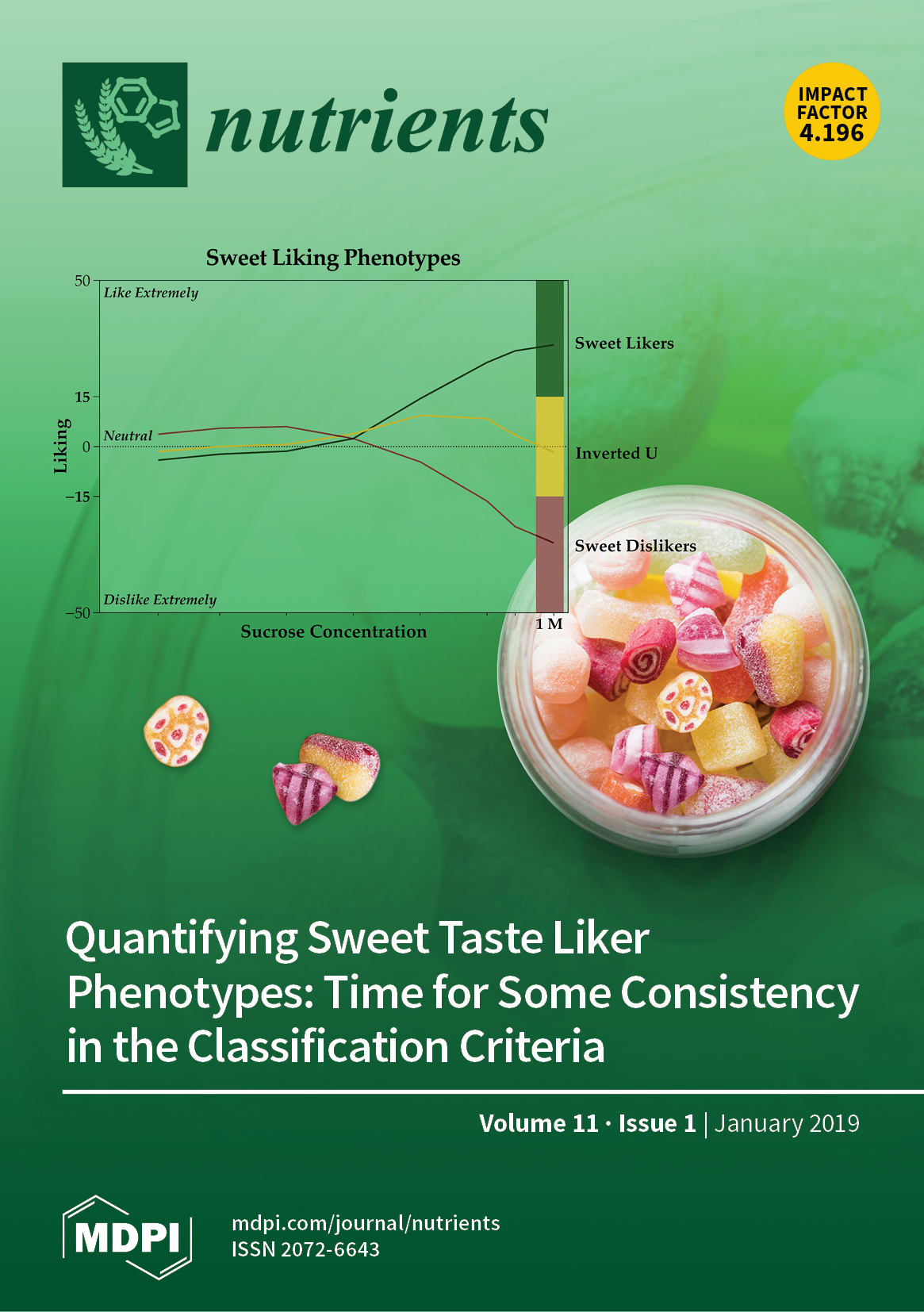
2017 Nutrients Chocolate Consumption and Risk of Coronary Heart Disease, Stroke, and Diabetes: A Meta-Analysis of Prospective Studies
Yuan S, Li X, Jin Y, Lu J
Chinese Medicine Research Hub
Systematic Review
Electroacupuncture combined with conventional routine care has the potential of reducing spasticity in the upper and lower limbs and improving overall and lower extremity motor function and activities of daily living for patients with spasticity, within 180 days poststroke.
2017 Archives of Physical Medicine and Rehabilitation Electroacupuncture for Poststroke Spasticity: A Systematic Review and Meta-Analysis
Cai Y, Zhang CS, Liu S, Wen Z, Zhang AL, Guo X, Lu C, Xue CC
Chinese Medicine Research Hub
Systematic Review
Acupuncture may have beneficial effects on improving dependency, global neurological deficiency, and some specific neurological impairments for people with stroke in the convalescent stage, with no obvious serious adverse events.
2016 Cochrane Database of Systematic Reviews Acupuncture for stroke rehabilitation
Yang A, Wu HM, Tang JL, Xu L, Yang M, Liu GJ.
Chinese Medicine Research Hub
Systematic Review
Acupuncture, in combination with regular rehabilitation, may effectively alleviate poststroke shoulder pain more than rehabilitation alone.
2016 Evidence-Based Complementary and Alternative Medicine Acupuncture for Poststroke Shoulder Pain: A Systematic Review and Meta-Analysis
Lee, S.-H., & Lim, S. M.
Chinese Medicine Research Hub
Systematic Review
Our results suggest that acupuncture could be effective for treating insomnia after stroke.
2016 BMC Complementary Medicine and Therapies Acupuncture for insomnia after stroke: a systematic review and meta-analysis
Lee SH, Lim SM
Chinese Medicine Research Hub
Systematic Review
Acupuncture is a prospective therapy targeting neurogenesis for ischemic stroke.
2016 Scientific Reports Acupuncture for neurogenesis in experimental ischemic stroke: a systematic review and meta-analysis
Lu, L., Zhang, Xg., Zhong, L. et al.
Chinese Medicine Research Hub
Systematic Review
Clinically, ingestion of capsaicin-or its less stable non-pungent analogue capsiate-has been shown to boost metabolic rate modestly.
2015 Open Heart Capsaicin may have important potential for promoting vascular and metabolic health
McCarty MF, DiNicolantonio JJ, O'Keefe JH
Chinese Medicine Research Hub
Meta-Analysis
Current evidence provisionally demonstrates that acupuncture treatment is superior to either non-acupuncture or conventional therapy for cerebral infarction.
2014 PLOS One An Updated Meta-Analysis of the Efficacy and Safety of Acupuncture Treatment for Cerebral Infarction
Li Li, Hong Zhang , Shu-qing Meng, Hai-zhou Qian
Chinese Medicine Research Hub
Systematic Review
This meta-analysis suggests that acupuncture had positive effects on cognitive function after stroke.
2014 The Journal of Alternative and Complementary Medicine A Meta-Analysis of Acupuncture Use in the Treatment of Cognitive Impairment After Stroke
Fang Liu, Zhuang-Miao Li, Yi-Jing Jiang, and Li-Dian Chen.
Chinese Medicine Research Hub
Systematic Review
Acupuncture may be effective for treating poststroke neurological impairment and dysfunction such as dysphagia.
2014 Neuroepidemiology Overview of Systematic Reviews and Meta-Analyses of Acupuncture for Stroke
Zhang J. Wang D. Liu M.
Chinese Medicine Research Hub
Review Article
Cocoa and chocolate, rich in antioxidant molecules like epicatechin, enhance brain health, stimulate brain perfusion, and reduce the risk of Alzheimer's disease and stroke.
2013 British Journal of Clinical Pharmacology The neuroprotective effects of cocoa flavanol and its influence on cognitive performance
Nehlig A
Chinese Medicine Research Hub
Systematic Review
Acupuncture combined with exercise is effective for shoulder pain after stroke.
2012 The Journal of Alternative and Complementary Medicine Acupuncture for Shoulder Pain After Stroke: A Systematic Review
Jung Ah Lee, Si-Woon Park, Pil Woo Hwang, Sung Min Lim, Sejeong Kook, Kyung In Choi, and Kyoung Sook Kang.
Chinese Medicine Research Hub
Cohort Study
Chocolate consumption appears to lower cardiovascular disease risk, in part through reducing blood pressure.
2010 European Heart Journal Chocolate consumption in relation to blood pressure and risk of cardiovascular disease in German adults
Buijsse B, Weikert C, Drogan D, Bergmann M, Boeing H
Chinese Medicine Research Hub
Systematic Review
Randomized clinical trials demonstrate that acupuncture may be effective in the treatment of poststroke rehabilitation.
2010 Stroke Acupuncture in Poststroke Rehabilitation
Ping Wu , Edward Mills , David Moher , and Dugald Seely
Executive Summary
Write an executive summary in the form of a blog article on the topic of "Research into Chinese medicine treatment for Stroke" summarising the research below and using language that can be easily understood by patients and avoiding medical jargon using a professional and caring tone of voice.
Write an executive summary in the form of a blog article on the topic of "Researched Chinese medicine treatments for Stroke" summarising the research below in an objective and easy to understand way, and using language that can be easily understood by patients. Group the article into Chinese medicine treatments first, followed by nutrition and other treatments. Avoid using medical jargon and use a professional and caring tone of voice.
Write me a concise but easy to understand executive summary on the topic of "Chinese medicine treatments for Stroke" based on the following research that I will give you. Your summary should be 2 paragraphs long in Australian English spelling and include references to the studies.
A published in 2025 in the journal Fitoterapia found that Chaihu Shugan San has been shown to have a therapeutic effect on post-stroke depression due to compound effects on brain-derived neurotrophic factor and glutathione metabolism. In the study, various techniques were used in a combination approach to uncover the impact of Chaihu Shugan San on post-stroke depression. Cell membrane solid-phase chromatography, combined with ultra-performance liquid chromatography-quadrupole-time of flight-mass spectrometry, was employed to screen the specific binding components of Chaihu Shugan San and HT22 cells, and evaluate their effects on the viability of injured HT22 cells and levels of brain-derived neurotrophic factor.
The study results pointed out eight particular binding components of Chaihu Shugan San and HT22 cells were discovered by cell membrane solid-phase chromatography. With the exception of one component, the other seven demonstrated a protective effect on HT22 cells and a significant increase in brain-derived neurotrophic factor levels. The use of ultra-performance liquid chromatography-quadrupole-time of flight-mass spectrometry also identified 13 differential metabolites in metabolomics. It was found that glutathione metabolism could be an important component involved in the way Chaihu Shugan San helps combat post-stroke depression. The binding component of HT22 demonstrated favorable binding to the target protein, adding another layer to its impact on management and mitigation of post-stroke depression symptoms.
A published in 2025 in the journal Journal of Ethnopharmacology found that The traditional Chinese medicine, Chaihu-Shugan-San, alleviates post-stroke depression in mice through exosome-mediated signaling and regulation of miR-146. The active compounds in Chaihu-Shugan-San (CSS) were identified from rat serum using liquid chromatography-mass spectrometry and analyzed via network pharmacology. In laboratory conditions, an oxygen-glucose deprivation/reperfusion BV2 microglia model was used to gauge the effects of CSS-containing serum. Exosomes from this model were isolated and analyzed using transmission electron microscopy and nanoparticle tracking analysis. In live test, a photothrombotic stroke model alongside chronic unpredictable mild stress induced post-stroke depression in mice. Behavior assessments, histological analysis and different test methods were used to measure key protein and miR-146 expressions in the mice's hippocampus.
The CSS treatment was found to notably relieve depressive-like behaviors in the mouse model. Increased sucrose preference, reduced immobility and enhanced exploratory activity were observed in mice treated with a high dose of CSS. The treatment improved brain tissue integrity, alleviated neuronal damage, and reduced neuroinflammation. It was found that CSS increased the expression of microglia-derived exosomes in the hippocampus which carried miR-146. Moreover, this treatment also adjusted the expression of miR-146 isoforms by reversing abnormal miRNA expression. This indicates a potential mechanism for its neuroprotective effects. CSS also successfully reduced key inflammatory cytokines while rejuvenating angiogenic factors. Notably, the calcium signaling pathway was also implicated.
A Randomised Controlled Trial published in 2023 in the journal Medicine found that The Modified Suanzaoren decoction effectively improves cognitive function in stroke patients with insomnia possibly by regulating hormones in brain-body communication pathways. In the methodology of this research study, a total of 80 participants, all of whom suffered from cognitive impairment and insomnia following stroke, were randomly divided into two groups. The treatment group was treated with the Modified Suanzaoren decoction while the control group received zolpidem. Over a period of four weeks, the cognitive function, sleep quality, depression, and anxiety disorders of each group were examined, while also evaluating stroke severity and functional independence. Hormone levels in the brain-body communication pathways were also monitored.
In regard to the results, the study found that the Modified Suanzaoren decoction had a more positive impact on cognitive improvement than the control group, while the two groups had a similar effect on mitigating insomnia. No significant differences were observed between the groups in daily living activities and stroke severity improvement. Further, the treatment group demonstrated superior improvement in depressive states and showed more significant reductions in cortisol levels. Improved levels of a hormone produced by the thyroid gland were also more significant in the treatment group than the control group. Despite some participants dropping out, these distinctions remained noteworthy.
A published in 2023 in the journal Biomedicine & Pharmacotherapy found that Chaihu-Shugan-San, a traditional Chinese medicine, can improve symptoms in a post-stroke depression rat model by regulating microglia polarization, thereby inhibiting neuroinflammation. The study utilized male rats which were subjected to conditions simulating the effects of stroke and chronic unpredictable mild stress. Rats were then separated into groups that received various treatments including Chaihu-Shugan-San, a JAK-STAT3 inhibitor, a GSK3β overexpressing virus, or an empty virus (control). Alongside these groups were rats that received no specific treatment and rats not exposed to the initial stroke/chronic stress situation. All treated rats then underwent a series of tests, which included forced swimming, tail suspension, and sugar water preference tests, to ascertain their neurological deficit score.
In addition to neurological testing, the study turned its focus to inflammatory factors, measuring protein expression related to the JAK/STAT3-GSK3β/PTEN/Akt pathway. Researchers also used transmission electron microscopy to observe the synaptic ultrastructure after treatment. Lastly, in an in vitro stroke depression model, scientists used flow cytometry to demonstrate that microglia polarization to the M1 phenotype could be reversed with the treatment of GSK3β overexpression virus, Chaihu-Shugan-San, or a JAK-STAT3 inhibitor. The overall findings concluded that Chaihu-Shugan-San provides a beneficial therapeutic effect on a model of post-stroke depression and works through the activation of the JAK/STAT3-GSK3β/PTEN/Akt pathway, indicating that its beneficial effects are due to suppression of neuroinflammation.
A Systematic Review published in 2023 in the journal Nutrition found that Our dose-response analysis indicated that moderate green tea consumption (500–1000 mL/d) was associated with a 21% to 24% lower risk of stroke. The meta-analysis aimed to clarify the inconsistent findings in epidemiologic studies regarding the link between green tea consumption and stroke risk. Five prospective cohort studies, involving 645,393 participants and 11,421 stroke cases, were analyzed. The summary relative risk (RR) revealed a substantial association, indicating a 26% reduction in stroke risk with the highest green tea consumption. The dose-response analysis indicated a nonlinear relationship, and compared with non-consumers, various levels of green tea intake showed progressively reduced RRs for stroke, emphasizing a potential protective effect.
The findings from the meta-analysis strongly suggest an inverse association between green tea consumption and stroke risk. Notably, the highest green tea consumption demonstrated a significant 26% risk reduction. The dose-response analysis further highlighted a nonlinear relationship, with moderate consumption levels (500–1000 mL/d) showing the most substantial risk reduction. These results provide support for recommending green tea consumption as a measure for the primary prevention of stroke.
A Experimental Study published in 2022 in the journal Medicina found that Chaihu Shugan powder, a traditional Chinese medicine, presents potential advantages in treating post-stroke depression, showing potential as an alternative to conventional antidepressants. The research approach merges both clinical and experimental studies in exploring the effectiveness of Chaihu Shugan powder, a classic traditional Chinese medicine formula, in treating post-stroke depression. Starting from current clinical cases, the study thoroughly investigates the mechanisms of action and drug and chemical effects of this treatment. The attention is given to the performance of Chaihu Shuan powder in counteracting post-stroke depression, focusing on patients who have not shown an adequate response or experienced adverse reactions to commonly used antidepressants like selective serotonin reuptake inhibitors and serotonin-norepinephrine reuptake inhibitors.
The results indicate outstanding benefits of the Chinese herbal treatment for post-stroke depression. It shows that Chaihu Shugan powder could potentially offer a significant contribution to incapacity and recovery of cognitive dysfunction and motor function after a stroke. It also helps to prominently lessen the probability of neurovascular events coming back. This highlights the values of Chaihu Shugan powder that serves as an effective and promising alternative to the standard drug treatments for post-stroke depression.
A Systematic Review published in 2022 in the journal Evidence-Based Complementary and Alternative Medicine found that Meta-analysis has strong implications of the effectiveness of tongue acupuncture, especially when combined with conventional therapies, in treating poststroke aphasia. This holistic approach demonstrates significant improvements in patient outcomes. Meta-analysis showed significant heterogeneity in ABC scores, with tongue acupuncture combined with conventional therapies proving more effective. Clinical efficacy also favored tongue acupuncture combined with conventional therapies. CFCP scores showed significant improvement with tongue acupuncture, especially when combined with conventional therapies.
A Systematic Review published in 2022 in the journal Frontiers in Neurology found that Acupuncture added to conventional rehabilitation has been found more effective in reducing post-stroke spasticity than conventional rehabilitation alone. In this systematic review and meta-analysis, a charge was led to determine the effectiveness and safety of acupuncture for post-stroke spasticity. A comprehensive search across nine electronic databases was carried out up to June 2022. Identification was focused on randomized-controlled trials that scrutinized the potency and safety garnered from acupuncture for post-stroke spasticity. An independent screening of studies was initiated by two reviewers who also took charge of data extraction and bias risk assessment. Software tools were employed for statistical analysis of data.
Out of the search, 88 studies deemed eligible were included amounting to a total of 6,431 participants. Pooled data illustrated that there was a beneficial effect when combining acupuncture and conventional rehabilitation, surpassing the results obtained from conventional rehabilitation alone. Subgroup analysis underscored that acquiring acupuncture either once or twice a day had superior results than conventional rehabilitation. The antispasmodic effect seemed to improve with more treatment sessions. A small number of studies explicitly pointed out slight adverse events related to acupuncture.
A Systematic Review published in 2022 in the journal Acta Neurologica Belgica found that Higher daily tea consumption, especially green tea, is linked to a lower risk of cerebral hemorrhage in adults. This meta-analysis uncovered evidence of a connection between tea consumption and cerebral hemorrhage risk, exploring databases including Web of Science, PubMed, Embase, and Scopus until December 2021. The synthesis utilized relative risks or odds ratios from observational studies. The pool of data included ten studies involving over 721,827 participants.
The evaluation revealed that a higher rate of tea consumption, and more specifically green tea, was significantly related to a lower risk of cerebral hemorrhage. Interestingly, this connection could be observed even when adjusted for key lifestyle factors such as alcohol consumption, fruit and vegetable intake, and physical activity. It is worth noting that the intake of tea on a daily basis demonstrated a protective effect against the risk of cerebral hemorrhage.
A Systematic Review published in 2022 in the journal Frontiers in Neurology found that Acupuncture shows potential benefits in stroke rehabilitation, particularly for shoulder-hand syndrome post-stroke. Systematic review papers evaluating the effectiveness of any stroke rehabilitation intervention were identified by comprehensive searches across PubMed, EMBASE, CDSR, six Korean databases, and two Chinese databases, as performed up until October 2021. Specific quality assessment tools (AMSTAR 2) were employed to determine the fitness of systematic reviews for inclusion. Furthermore, graphic representations like bubble plots were utilized to effectively visualize and organize scientific evidence on different clinical topics, number of articles, patient inclusion, confidence, and demonstrated effectiveness of interventions.
The research paper scrutinizes 48 carefully-selected systematic reviews, performed between 2015 and 2021. These reviews either concentrate on post-stroke cognitive impairment (four systematic reviews) or primarily address post-stroke motor function (forty-four systematic reviews). 19 different interventions from traditional Chinese medicine, with acupuncture being the most prevalent, are methodically inspected. The study notes that the quality of the selected systematic reviews was overall low or very low. Despite this, most reviews did indicate that traditional Chinese medicine interventions, such as acupuncture, appear to possess potential benefits for stroke rehabilitation, particularly with shoulder-hand syndrome.
A Systematic Review published in 2021 in the journal Acupuncture & Electro-Therapeutics Research found that Compared with conventional treatment, acupuncture as an adjuvant therapy can significantly reduce the incidence of post-stroke fatigue. A total of 6 RCTs were included in this study, including 426 cases (213 cases in the treatment group and 213 cases in the control group).
Our systematic review and meta-analysis suggests that acupuncture combined with conventional rehabilitation therapy is an effective therapy for patients suffering from post-stroke fatigue, which is suitable for clinical promotion and use. However, due to methodological weakness and limited number of RCTs, the results should be interpreted cautiously. Further clinical trials with large sample sizes and a rigorous design are needed.
A Systematic Review published in 2021 in the journal Phytomedicine found that Dang Gui is highly effective in treating ischemic stroke due to its numerous therapeutic properties. This research utilises a systematic review and meta-analysis approach based on the PRISMA guidelines to assess the effectiveness and underlying mechanisms of A. sinensis for the treatment of ischemic stroke. It involves examining previous studies on Angelica injection and A. sinensis active constituents, with a particular focus on extracts and active compounds such as Z-ligustilide, 3-n-Butylphthalide, and ferulic acid.
The study found that A. sinensis contributes to stroke recovery due to its anti-inflammatory, oxidative stress reduction, angiogenesis, and neurogenesis effects. The compounds within A. sinensis also inhibit platelet aggregation, counter atherosclerosis, and protect blood vessels, improving overall neurological function following an ischemic stroke. The investigation underscores the significant potential of A. sinensis extracts for stroke treatment, suggesting the possible application of diverse research techniques, such as pharmacological networks, computer-aided drug design, artificial intelligence, big data, and multi-scale modelling to deepen understanding of its full therapeutic potential.
A Cohort Study published in 2021 in the journal Frontiers in Aging Neuroscience found that Stroke patients who received acupuncture had a lesser risk of insomnia across various demographic and medical variables. The study data was derived from the case database of a Chinese hospital, featuring stroke patients diagnosed between 2010 and 2019. These patients were sorted into two groups: one which received acupuncture and one which did not. The sorting was performed using a propensity score matching technique. Comparisons were made between the two groups using the incidence of insomnia as the primary indicator, with Cox regression analysis and the Kaplan-Meier method serving as the main analytical tools.
The results indicated that stroke patients who underwent acupuncture treatments were less susceptible to insomnia as compared to counterparts who didn't receive acupuncture treatment. This decrease in the incidence of insomnia was observed across various categories such as genders, age groups, stroke types and stroke locations, with the acupuncture group displaying a significantly lesser cumulative incidence of insomnia.
A Systematic Review published in 2021 in the journal Nutrition, Metabolism and Cardiovascular Diseases found that Drinking coffee may be linked to lower mortality risk in type 2 diabetes patients. In this study, the researchers conducted an exhaustive literature search through PubMed, Scopus, and Web of Sciences up to November 2020. They were looking for prospective cohort studies that evaluated the link between coffee consumption and the risk of cardiovascular disease and mortality in patients with type 2 diabetes. Two reviewers took on the work of extracting relevant data and assessing the certainty of evidence using the GRADE approach. A random-effects model was deployed to estimate hazard ratios. Dose-response connections were modeled using a one-stage mixed-effects meta-analysis. The researchers included ten prospective cohort studies that totalled 82,270 cases.
The results showed an interesting trend: compared to those who did not consume coffee, the hazard ratios were consistently lower for mortality outcomes and cardiovascular disease, especially where the consumption rate was four cups per day. Importantly, no such association was found for either cancer mortality or stroke. The evidence suggested a potential inverse monotonic association between coffee drinking and mortality across all causes and cardiovascular disease, alongside a linear association for coronary heart disease and total cardiovascular events. The degree of certainty in these results was moderate for all-cause mortality, but was low or very low for all other reported outcomes.
A Systematic Review published in 2021 in the journal Complementary Medicine Research found that Acupuncture (either alone or combined with speech and language therapy) may be effective for poststroke aphasia. Fourteen trials involving 936 participants had poor reporting and methodological quality. Our meta-analysis showed that compared to the speech and language therapy (SLT) group, acupuncture combined with SLT could improve the rate of Boston Diagnostic Aphasia Examination (BDAE), scores of Aphasia Battery of Chinese (ABC) which includes repeating ability, reading ability, writing ability, naming ability, and listening comprehension ability. All RCTs were considered at high risk of biased assessment. In the future, rigorous clinical trials with an accurate method design and high reporting quality are required to validate our results.
A Systematic Review published in 2021 in the journal Acupuncture in Medicine found that Acupuncture could be effective and safe for post-stroke cognitive impairment. A total of 28 trials with 2144 participants were included in the qualitative synthesis and meta-analysis. Results indicated that acupuncture groups may be benefiting more than non-acupuncture groups with respect to variation of MoCA scores, and the heterogeneity decreased in both subgroup analysis and sensitivity analysis. In addition, acupuncture groups might be benefiting more than non-acupuncture groups in terms of changes in MMSE score, and the heterogeneity decreased in subgroup analysis. Only one RCT addressed adverse events, and the symptoms were mild and did not affect treatment and evaluation.
Acupuncture could be effective and safe for PSCI. Nevertheless, the results should be interpreted cautiously due to the high ROB of included trials and very low quality of evidence for assessed outcomes.
A Systematic Review published in 2021 in the journal Evidence-Based Complementary and Alternative Medicine found that Acupuncture, when combined with other treatments, is an effective therapy for treating swallowing difficulties experienced after a stroke. In the methodology used for this study, the researchers examined various English and Chinese databases up to March 2020, focusing on randomized controlled trials that used acupuncture or combined acupuncture with other treatments to help stroke patients with dysphagia. Two authors independently assessed and extracted the data. For quality control, the bias risk assessment tool recommended by the Cochrane Collaboration was used to assess each selected study. The researchers then conducted a meta-analysis using RevMan 5.3 software and calculated pooled analyses by the mean difference.
Results showed that when compared to a control group, patients who underwent acupuncture combined with other treatments experienced an improvement in their ability to swallow as measured by different scales and tests. No serious adverse effects were reported in the studies, indicating that acupuncture is not only effective but also safe as a treatment method for dysphagia following stroke.
A Systematic Review published in 2021 in the journal Annals of Medicine found that The existing evidence, although with low level of confidence, suggests that walnut intake may have a beneficial effect on cognition-related outcomes, including cognitive function, mood, and stroke. The existing evidence, although with low level of confidence, suggests that walnut intake may have a beneficial effect on cognition-related outcomes, including cognitive function, mood, and stroke. Limitations in study design and comparability render the available evidence insufficient to draw a firm conclusion regarding the effects of walnut on cognition in adults. High quality studies and standardized interventions and measurement tools are necessary to determine the role of walnut intake in cognitive health.
A Systematic Review published in 2021 in the journal Journal of Stroke and Cerebrovascular Diseases found that Higher coffee consumption, specifically 3-4 cups daily, is associated with a 21% lower risk of stroke, with no further reductions with increased intake. The research utilized a systematic review and meta-analysis approach to investigate the link between coffee consumption and stroke risk. Random-effects models were employed to compile relative risk estimates. The assessment was structured to compare the highest and lowest categories of coffee consumption and utilized a one-stage robust error meta-regression model for stroke risk assessment. The study incorporated 21 separate studies which in total included over 2.4 million participants.
The findings suggest a significant inverse connection between coffee consumption and the risk of stroke. According to the pooled relative risk analysis, the highest versus the lowest categories of coffee consumption showed a decrease in stroke risk. There seems to be a nonlinear (U-shaped) relationship between stroke risk and coffee consumption, with the lowest risk (21% lower) associated with consuming 3-4 cups of coffee per day. Sensitivity analysis suggested the influence of each individual data set on the overall result wasn't significant, and while some evidence of publication bias was witnessed, additional analysis established that potential bias didn't impact the findings noticeably.
A Systematic Review published in 2021 in the journal Evidence-Based Complementary and Alternative Medicine found that Acupuncture combined with rehabilitation was more effective in improving the motor function and the ability of daily living. The mechanism for the effects of acupuncture in the improvement of motor function and activity of daily life may be explained by two reasons. First, acupuncture can directly enhance the motor function and daily life of stroke patients. Acupuncture has been shown to lead to a higher improvement in motor function than conventional treatment. Acupuncture when combined with rehabilitation may have a positive effect on motor function, activity of daily life, neurological deficits, and spasticity. Indeed, the meta-analysis concluded that no matter what kind of acupuncture therapy was combined with rehabilitation, it was better than the rehabilitation group when it came to significantly improving the activity of daily life of patients after ischaemic stroke.
Second, acupuncture may indirectly improve the motor function and daily living ability of stroke patients by improving the symptoms of unilateral neglect and making them aware of their limbs. Acupuncture points may be the more intensive parts of the sensory organs that produce needle sensation. Acupuncture sensation is continuously transmitted to the central nervous system through the peripheral receptors of acupuncture point of contact, which facilitates new cognitive neural pathways for effective information, processing, and analysis, which may be one of the mechanisms for improving the perception of an injured hemisphere and alleviating the symptoms of unilateral neglect in patients.
A Review Article published in 2020 in the journal Evidence-Based Complementary and Alternative Medicine found that Tian Ma, a traditional Chinese medicine, shows promise as a complementary therapy for aging-related diseases, including Alzheimer's and cerebrocardiovascular diseases. This study utilized previous research to methodically analyze the efficacy and safety of Tian Ma in treating aging-related diseases. Investigations spanned across various well-structured disease models, with particularly close attention paid to Alzheimer's Disease. The study trialed not just on its raw form, but also explored how it performs within different herbal preparations and as pure natural extracts.
The study's findings indicate that Tian Ma might present a viable alternative treatment for aging-related cerebrocardiovascular diseases and dementia. Specifically, its promising attributes were most noticeable in the context of complementary therapy for Alzheimer's Disease. The potential effectiveness of Tian Ma seems to be maintained across the various preparations, whether in herbal mixtures or as a pure natural product. The study thus concludes on a hopeful note regarding the use of Tian Ma in combatting debilitating age-linked conditions.
A Review Article published in 2020 in the journal International Journal of Molecular Sciences found that Regular coffee consumption, due to its bioactive compounds, may have protective effects against chronic disorders and certain neurodegenerative conditions. The paper evaluates the neuroprotective potential of the main bioactive elements in coffee: caffeine, chlorogenic acid, caffeic acid, trigonelline, kahweol, and cafestol. The analysis is focused on the coffee beverage as a complex mixture of these bioactive compounds. The comprehensive study includes in vitro and in vivo preclinical tests to determine the specific health benefits each of these compounds can offer.
The results indicate that regular coffee intake may have defensive effects against a variety of enduring disorders; including cardiovascular disease, type 2 diabetes, obesity, and some forms of cancer. Additionally, an interesting correlation is found between coffee consumption and a lower risk of developing certain neurodegenerative conditions such as Alzheimer's disease, Parkinson's disease, and dementia. The study also highlights that regular coffee intake could possibly lower the risk of stroke. However, the study mentions that the mechanisms enabling these effects are yet to be fully understood.
A Systematic Review published in 2020 in the journal Acupuncture in Medicine found that Acupuncture combined with antidepressants showed a more favourable effect on the treatment of post-stroke depression than antidepressants alone. Thirteen randomized controlled trials (RCTs) involving 904 participants were included in the study. The results of this meta-analysis showed that, compared with antidepressants alone, acupuncture combined with antidepressants led to a significant decrease in the HAMD score, had a better effective rate and lower National Institutes of Health Stroke Scale (NIHSS) scores, and led to a significant increase in the Barthel index scores.
A Systematic Review published in 2020 in the journal Integrative Medicine Research found that The combination of acupuncture and speech rehabilitation training may improve total response rate of stroke patients with dysarthria. Our study revealed that, compared with speech rehabilitation training alone, additional acupuncture has a beneficial effect on clinical response rate (when using FDA for evaluation), based on low-quality evidence. Furthermore, no serious adverse events were reported among the studies analyzed.
A Systematic Review published in 2020 in the journal European Journal of Clinical Nutrition found that The literature overall supports an inverse association between green tea and cardiovascular disease-related health outcomes, while the included meta-analyses generally suggested an inverse association between green tea and BMI-related and blood pressure outcomes. The evidence on green tea consumption and health outcomes presented in this review suggests green tea may be favorable for cardiovascular disease, particularly stroke, and certain cancers such as endometrial, esophageal, lung, non-Hodgkins lymphoma, oral, and ovarian cancer. More evidence is needed to assess the impact of green tea on breast, gastric, and liver cancer risk. Additional studies could also help clarify the suggested null association with certain cancer sites: colorectal, pancreatic, and prostate cancer. Possible minor adverse events on health from green tea consumption were reported in one study, however these must be interpreted cautiously within the study context and possible finer dose-response implications. The findings for green tea and diabetes risk were inconclusive. For BMI the current evidence suggests a possible weak association, while the evidence is stronger supporting a decrease in blood pressure from green tea. More studies investigating a possible association between green tea consumption and other health outcomes such as cognition, injuries, respiratory disease would be informative to more completely assess the impact of green tea on human health.
In conclusion, our review suggests green tea may have health benefits especially for cardiovascular disease and certain cancer sites.
A Systematic Review published in 2020 in the journal Complementary Therapies in Clinical Practice found that This review discovered that acupuncture might be a safe and effective adjuvant therapy for individuals with poststroke spastic hemiplegia. Researchers retrieved 2452 articles in total, after screening, thirty-eight studies with 2628 participants of were included. In this meta-analysis, twenty-seven trials revealed that acupuncture therapy was associated with an increase in FMA scores compared with rehabilitation training (RT).
A Cohort Study published in 2020 in the journal Medicina found that Adding Chinese herbal medicines to conventional therapy could decrease subsequent stroke risk for atrial fibrillation patients. From a nationwide database, 11,456 AF patients aged ≧ 20 years between 1998 and 2007 were identified. Afterwards, we enrolled 2670 CHMs users and randomly selected 2670 non-CHMs users using the propensity score method. The occurrence of stroke was recorded until the end of 2012.
Within the follow-up period, 671 CHMs users and 900 non-CHMs users developed stroke, with incidence rates of 33.02 and 45.46 per 1000 person-years, respectively. CHMs use was associated with a 30% lower stroke risk, especially for those receiving CHMs for over two years.
A Review Article published in 2019 in the journal Revue Neurologique found that The Mediterranean diet, especially the high consumption of extra-virgin olive oil, significantly reduces the risks of vascular diseases and Alzheimer's. The research has been based on a plethora of observational epidemiological studies, local population experiences, meta-analyses of epidemiologic data, and experimental studies, all converging to the connection between the Mediterranean diet and a reduced prevalence of different ailments. The study scopes extend over long periods, such as the Italian-American experience from 1935 to 1965, or the Seven Countries Study spanning four decades from 1960 to 2000. Another significant evidence base is the French Three-City Study, which followed participants for ten years from 2000 to 2010. Apart from human trials, the article includes results from experimental animal models, specifically concerning late-onset Alzheimer disease.
The findings showcase a consistent trend linking reduction in vascular diseases, obesity, arthritis, cancer, cognitive decline, and specifically Alzheimer's disease with increased adherence to a Mediterranean dietary pattern, particularly high intake of extra-virgin olive oil. Certain dietary components such as fruits, seeds, legumes, and vegetables contribute to the benefits. However, olive oil stands out as the chief dietary fat in Mediterranean countries. It provides plentiful monounsaturated fatty acids, beneficial polyphenols, and other antioxidants, which play a crucial part in these health benefits. The most striking discovery is extra-virgin olive oil's potential to mitigate the effects of adverse vascular factors, indicating a promising approach to preventing late-onset Alzheimer's disease.
A Systematic Review published in 2019 in the journal Frontiers in Neurology found that Acupuncture therapy seems effective for motor function, pain relief and activities of daily living in stroke patients with mild Shoulder-Hand Syndrome, when it is used in combination with rehabilitation. This systematic review shows that adding acupuncture to routine rehabilitation can improve clinical outcomes (pain and motor function) for people with mild post-stroke SHS. However, the evidence was assessed as “low” by GRADE due to the methodological limitations and heterogeneity of included studies, which made our certainty in recommending acupuncture for this condition in clinical practice as “low.” Well-designed placebo-controlled RCTs with a long treatment duration and follow up, as well as standardized reporting, are needed to support acupuncture's safe and effective use in the management of post-stroke SHS.
A Systematic Review published in 2019 in the journal European Journal of Nutrition found that Consumption of chocolate shows a possible slight reduction in risk for coronary heart disease and stroke, with no association with other chronic diseases studied. Researchers analyzed information available up to July 2018 from PubMed, Embase, and Web of Science, focusing on prospective studies evaluating the correlation between chocolate intake and rates of all-cause mortality, coronary heart disease, stroke, heart failure, type 2 diabetes, colorectal cancer, and hypertension. Meta-analyses using random-effects models were performed, comparing highest and lowest intake categories, and applying linear and non-linear dose-response studies. The NutriGrade scoring system was utilized to assess the credibility of the evidence obtained.
The study's findings were based on 27 identified investigations. It was discovered through linear dose-response meta-analyses that there were no associations of heart failure and type 2 diabetes with each 10 g/day increase in chocolate intake. A small inverse association was found for the risk of coronary heart disease and stroke with each 10 g/day increase in chocolate consumption. The credibility of the evidence was found to be either very low (for all-cause mortality, heart failure, type 2 diabetes, colorectal cancer, or hypertension) or low (for coronary heart disease, stroke).
A Systematic Review published in 2018 in the journal Acupuncture in Medicine found that Acupuncture in combination with rehabilitation may have benefits for the treatment of acute and subacute stroke sequelae in comparison with rehabilitation alone. A systematic review was carried out. A search was conducted in March 2014 using PubMed, Medline, the Cochrane Library, Chinese National Knowledge Infrastructure database (CNKI) and Wanfang databases. English and Chinese language articles published within 10 years of the search were reviewed for inclusion. Randomised control trials comparing combined treatment with acupuncture and rehabilitation and rehabilitation alone in patients with acute or subacute stroke (onset until 3 months after stroke) were included in this review. Three review authors independently checked the titles and abstracts of trials for inclusion based on selection criteria. Studies measuring changes of motor function, activities of daily living, neurological deficit or spasticity/range of motion during the treatment period and at the end of follow-up were included.
17 trials met the inclusion criteria, of which five were of good quality. 14 trials had results favourable to acupuncture combined with rehabilitation, compared with conventional rehabilitation treatment alone.
A Meta-Analysis published in 2018 in the journal Chinese Journal of Integrative Medicine found that Our meta-analysis provides a new evidence supporting the efficacy and safety of acupuncture in treatment to post-stroke dysphagia in short-term compared with rehabilitation or medication. Twenty-nine RCTs comprising 2,190 patients were included. The included studies had a medium quality grade based on the Consolidated Standards of Reporting Trials (CONSORT) and Standards for Reporting Interventions in Clinical Trials of Acupuncture (STRICTA) checklist. Acupuncture therapy provided a higher effective rate compared with nonacupuncture treatments. Subgroup and meta-regression analyses suggested that acupuncture intensity and measurement method were main sources of heterogeneity and resulted in a significant difference for pooled effect size. No severe adverse events were documented in these RCTs.
A Systematic Review published in 2018 in the journal Clinical Rehabilitation found that Current evidence suggests that traditional manual acupuncture integrated with rehabilitation therapy is more effective in alleviating pain, improving limb movement and activities of daily living. A total of 20 studies involving 1918 participants were included in this study. Compared to rehabilitation therapy alone, the combined therapy significantly reduced pain on the visual analogue scale and improved limb movement on the Fugl–Meyer Assessment scale and the performance of activities of daily living (ADL) on the Barthel Index scale or Modified Barthel Index scale. Of these, the visual analogue scale score changes were significantly higher favoring the combined therapy after treatment, with severe heterogeneity.
A Systematic Review published in 2018 in the journal BMC Complementary Medicine and Therapies found that Chai Hu Shu Gan San (a traditional Chinese Medicine) is a promising in treating depression, especially in post-stroke and postpartum cases. The review assessed the efficacy of Chai Hu Shu Gan San, a traditional Chinese medicine, in treating depression. Out of 560 initial studies, 42 trials met inclusion criteria. These studies were conducted in China from 2006 to 2016, involving 3234 patients with depression. Chai Hu Shu Gan San demonstrated better efficacy compared to controls, especially in post-stroke and postpartum depression. However, the methodological quality of the included studies was assessed as low, with high risks of bias. While Chai Hu Shu Gan San showed promise, further rigorously designed randomized controlled trials are needed for a conclusive evaluation of its safety and efficacy in treating depression.
A Systematic Review published in 2018 in the journal Frontiers in Neurology found that Most studies reviewed concluded that conventional and electroacupuncture could be effective for management of shoulder pain after stroke. This review suggests that conventional acupuncture and electroacupuncture could be effective treatments for survivors with poststroke shoulder pain, with regard to reducing pain and improving upper extremity function and physical function. However, the results of this review should be interpreted with consideration of its limitations.
A Systematic Review published in 2017 in the journal Frontiers in Nutrition found that Cocoa consumption has strong beneficial impacts on cardiovascular health, reducing blood pressure, improving vascular function, and modulating lipid and glucose metabolism. In the study's methodology, the link between the consumption of natural polyphenol-rich foods, specifically cocoa, and a decreased risk of cardiovascular diseases was explored. The process involved evaluating cocoa's influence on various aspects, such as blood pressure reduction, vascular function improvement, lipid and glucose metabolism modulation, and reduction of platelet aggregation. This evaluation was performed in varying demographic groups, including healthy individuals, individuals with risk factors such as diabetes and arterial hypertension, and individuals with established coronary heart diseases or heart failure.
The study's findings indicate that cocoa's consumption has a significant and positive effect on cardiovascular health. Notably, it was found to reduce blood pressure, enhance vascular function, and modulate lipid and glucose metabolism. These beneficial effects were observed in all the subjects irrespective of their health status - healthy, at risk, or with established cardiovascular diseases. The results hypothesize several potential mechanisms through which cocoa exerts these positive effects, including the activation of nitric oxide synthase, increased availability of nitric oxide, and inherent antioxidant and anti-inflammatory properties.
A Systematic Review published in 2017 in the journal Nutrients found that Moderate chocolate consumption (up to 6 servings per week) is linked to a decreased risk of coronary heart disease, stroke, and diabetes, according to a meta-analysis of prospective studies. The meta-analysis included 14 prospective studies with a total of 508,705 participants, spanning follow-up durations of 5 to 16 years. The systematic search covered PubMed and Embase through March 2017. Relative risks (RRs) and 95% confidence intervals (CIs) were pooled using random effect models. The study explored the association between chocolate intake and the risk of CHD, stroke, and diabetes, analyzing data on the highest versus lowest chocolate consumption.
The findings indicate that higher chocolate consumption is associated with a reduced risk of CHD, stroke, and diabetes. The relationship follows a nonlinear pattern, with little additional risk reduction observed when consuming chocolate beyond 3 servings per week for CHD and stroke. For diabetes, the peak protective effect emerged at 2 servings per week, with no additional benefit noted beyond 6 servings per week. The study suggests that consuming chocolate in moderation (up to 6 servings per week) may be optimal for preventing these cardiometabolic disorders.
A Systematic Review published in 2017 in the journal Archives of Physical Medicine and Rehabilitation found that Electroacupuncture combined with conventional routine care has the potential of reducing spasticity in the upper and lower limbs and improving overall and lower extremity motor function and activities of daily living for patients with spasticity, within 180 days poststroke. EA combined with conventional routine care has the potential of reducing spasticity in the upper and lower limbs and improving overall and lower extremity motor function and activities of daily living for patients with spasticity, within 180 days poststroke. Further studies of high methodological and reporting quality are needed to confirm the effects and safety of EA, and to explore the adequate and optimal protocol of EA for poststroke spasticity, incorporating a group of comprehensive outcome measures in different populations.
A Systematic Review published in 2016 in the journal Cochrane Database of Systematic Reviews found that Acupuncture may have beneficial effects on improving dependency, global neurological deficiency, and some specific neurological impairments for people with stroke in the convalescent stage, with no obvious serious adverse events. Although acupuncture may have positive effects in stroke rehabilitation and there were no reported serious adverse events, the small number of low quality studies and the probability of publication bias means that there was insufficient evidence to support the routine use of acupuncture for people with subacute or chronic stroke.
A Systematic Review published in 2016 in the journal Evidence-Based Complementary and Alternative Medicine found that Acupuncture, in combination with regular rehabilitation, may effectively alleviate poststroke shoulder pain more than rehabilitation alone. The study utilized seven databases to find existing research studies concerning the use of acupuncture in relieving poststroke shoulder pain, with no language limitations imposed on the search. The primary focus was on randomized controlled trials that compared the impact of acupuncture with conventional controls. The Visual Analogue Scale (VAS) and Fugl-Meyer Assessment (FMA) were primarily used to measure the extent of the pain and effectiveness of the treatments.
The results of the analysis of these studies suggested a definitive trend indicating the adoption of acupuncture alongside regular rehabilitation treatment enhanced the remedial effect on poststroke shoulder pain. The reduction in pain as reported by the VAS, improvements in the FMA, and overall efficacy rates showed a marked improvement when acupuncture was incorporated with the standard rehabilitation treatments when compared to those treatments on their own. However, the study does acknowledge that while the results point towards the effectiveness of acupuncture, the results should be interpreted with caution.
A Systematic Review published in 2016 in the journal BMC Complementary Medicine and Therapies found that Our results suggest that acupuncture could be effective for treating insomnia after stroke. A total of 165 studies were identified; 13 RCTs met our inclusion criteria. Meta-analysis showed that acupuncture appeared to be more effective than drugs for treatment of insomnia after stroke, as assessed by the PSQI and by the efficacy standards of Chinese medicine. Intradermal acupuncture had significant effects compared with sham acupuncture, as assessed by the ISI and the AIS.
A Systematic Review published in 2016 in the journal Scientific Reports found that Acupuncture is a prospective therapy targeting neurogenesis for ischemic stroke. Our findings indicate that acupuncture ameliorates neurological deficits and reduces brain edema in experimental ischemic stroke and the mechanisms positively correlate with endogenous neurogenesis, in which acupuncture therapy can promote the proliferation, migration and differentiation of NSCs.
A Systematic Review published in 2015 in the journal Open Heart found that Clinically, ingestion of capsaicin-or its less stable non-pungent analogue capsiate-has been shown to boost metabolic rate modestly. This brief overview should make it clear that dietary capsaicin—and, likely to a more limited degree, non-pungent capsiate—has intriguing potential for health promotion. Rodent studies suggest that capsaicin may merit clinical evaluation with respect to endothelial function, progression of atherosclerosis (most notably in diabetics), angina, non-alcoholic fatty liver disease, cardiac hypertrophy, metabolic syndrome, hypertension, obesity and gastric ulceration.
A Meta-Analysis published in 2014 in the journal PLOS One found that Current evidence provisionally demonstrates that acupuncture treatment is superior to either non-acupuncture or conventional therapy for cerebral infarction. The results of this systematic review shows that acupuncture therapy is significantly effective in improving the Clinical Efficacy Rate, Fugl-Meyer Assessment Scores, Barthel Index Scores and Neurological Deficit Scores in ischemic stroke patients when compared with the conventional medication. Further large-scale, well-designed RCTs on this topic are still warranted.
A Systematic Review published in 2014 in the journal The Journal of Alternative and Complementary Medicine found that This meta-analysis suggests that acupuncture had positive effects on cognitive function after stroke. Twenty-one trials with a total of 1421 patients met inclusion criteria. Pooled random-effects estimates of the change in the Mini-Mental State Examination were calculated for the comparison of acupuncture with no acupuncture in addition to medicine or rehabilitation. Following 4 weeks and 8 weeks of intervention with acupuncture, the merged mean difference was 3.14 (95% confidence interval [CI], 2.06–4.21; p<.00001) and 2.03 (95% CI, 0.26–3.80; p=0.02), respectively. For the comparison of 3–4 weeks of acupuncture with no acupuncture in addition to medicine or rehabilitation groups, the merged MD in Neurobehavioral Cognitive State Examination total scores was 5.63 (95% CI, 3.95–7.31; p<.00001). For the comparison of 8–12 weeks of acupuncture with no acupuncture in addition to medicine or rehabilitation groups, the P300 latency merged MD was −12.80 (95% CI, −21.08 to −4.51; p<.00001), while the P300 amplitude merged MD was 1.38 (95% CI, 0.93–1.82; p<.00001). Overall, the study quality was rated as moderate on the basis of the Cochrane Handbook for Systematic Reviews of Interventions (part 2: 8.5).
A Systematic Review published in 2014 in the journal Neuroepidemiology found that Acupuncture may be effective for treating poststroke neurological impairment and dysfunction such as dysphagia. The current evidence suggests that acupuncture is not effective for death or dependency/disability. However, acupuncture may be effective for treating poststroke neurological impairment and dysfunction, particularly poststroke dysphagia, although these findings require verification in rigorous RCTs. Future studies should place more emphasis on the efficacy of acupuncture for treating poststroke neurological impairment and dysfunction and on the development of more precise tools for assessing these outcomes.
A Review Article published in 2013 in the journal British Journal of Clinical Pharmacology found that Cocoa and chocolate, rich in antioxidant molecules like epicatechin, enhance brain health, stimulate brain perfusion, and reduce the risk of Alzheimer's disease and stroke. The study involved taking a comprehensive look at the substances contained in cocoa powder and chocolate, their absorption into the brain, and their resulting stimulatory effects on multiple areas of the brain, particularly those connected to comprehension and memory. It also delved into the beneficial effects of epicatechin, a flavonoid found abundantly in cocoa and chocolate, which showed improvements in cognition in both animals and humans. Interestingly, the research showed that the consumption of chocolate could induce mood enhancement, elaborating on its common consumption during times of emotional stress.
The study further investigated flavonoids' preservation of cognitive abilities in rats during aging, noting the reduced risk of developing Alzheimer's disease and the decreased likelihood of stroke in humans, demonstrating their wider effects beyond just mood enhancement. The research then looked into flavonoids' interactions within the various signaling pathways related to proteins and lipids in the brain, shedding light on how they inhibit neuron death from neurotoxic elements like oxygen radicals, all while promoting neuron survival and synaptic plasticity. The overall intent of the research was to gather and examine the available data regarding the effects of cocoa and chocolate on brain health and cognitive capacities.
A Systematic Review published in 2012 in the journal The Journal of Alternative and Complementary Medicine found that Acupuncture combined with exercise is effective for shoulder pain after stroke. It was found in this review of reported RCTs that acupuncture is an effective treatment for shoulder pain after stroke. Acupuncture can be considered as an adjuvant therapy in combination with exercise for rehabilitation of the stroke patients who are suffering from shoulder pain. Further trials concerning this topic should be conducted according to the highest methodological standards for certainty.
A Cohort Study published in 2010 in the journal European Heart Journal found that Chocolate consumption appears to lower cardiovascular disease risk, in part through reducing blood pressure. In this cohort of German adults, consumption of 6 g of chocolate per day was associated with a 39% lower risk of the combined outcome of MI and stroke. This was partly (for 12%) explained by baseline BP, to which chocolate consumption was also inversely related.
The inverse relation of chocolate consumption appeared stronger for stroke than for MI. Finally, the inverse relations of chocolate with BP and incident CVD were observed despite lower intakes of fruit and vegetables in people consuming more chocolate.
A Systematic Review published in 2010 in the journal Stroke found that Randomized clinical trials demonstrate that acupuncture may be effective in the treatment of poststroke rehabilitation. Randomized clinical trials demonstrate that acupuncture may be effective in the treatment of poststroke rehabilitation. Poor study quality and the possibility of publication bias hinder the strength of this recommendation and argue for a large, transparent, well-conducted randomized clinical trial to support this claim and implement changes to clinical practice.