TEAS
How to submit an article:
- Registered users can submit any published journal article that has a unique DOI (Digital Object Identifier) name or link to Research Hub.
- For example, you can paste the full DOI link:
https://doi.org/10.1109/5.771073or just the DOI name:10.1109/5.771073into the field above and click submit. - The person who is first to submit a valid article to Research Hub will forever be credited for it, and every article submission earns you +6 Research Points.
Related Topics
Published research studies are articles that present the findings of original research that has undergone a peer-review process and has been made publicly available in scholarly journals, books or other media.
Combining electroacupuncture and transcutaneous electrical acupoint stimulation for psychiatric disorders in women victims of domestic violence: An assessor‐blinded, randomised controlled trial
2026 Jul 07 General Psychiatry Yang S, Mok WC, Cheung DST, Tiwari A, Cheng CPW, Chen H, et al.
Randomised Controlled Trial TEAS Electroacupuncture Acupuncture PTSD Insomnia DepressionThe addition of electroacupuncture and transcutaneous electrical acupoint stimulation can yield significantly improved mental health symptoms in women who have experienced domestic violence.

Acupuncture in patients with the poor ovarian response on IVF-ET: A systematic review and network meta-analysis
2026 Jan 30 Medicine Liu J, Mai T, Zhu F, Ma J, Liu D, Liu Y, et al.
Clinical Study Systematic Review Meta-Analysis TEAS Poor Ovarian Response Female Fertility Embryo Transfer Acupuncture Women's Health IVF SupportTranscutaneous electrical acupoint stimulation (TEAS) shows promise as a more effective acupuncture type for improving pregnancy outcomes in patients with poor ovarian response.

Effects of different electroacupuncture/ transcutaneous electrical acupoint stimulation parameters on the pregnancy outcomes of in vitro fertilisation-embryo transfer: a systematic review and meta-analysis
2025 Aug BMJ Open Zhu H, Shang Z, Ji R, Li C, Zhang J, Su Y, et al.
Systematic Review Meta-Analysis TEAS Infertility Electroacupuncture Female Fertility Embryo Transfer Acupuncture Women's Health IVF SupportThe use of dilatational waves, low-frequency currents and 30-minute session durations can improve clinical pregnancy rates for in vitro fertilisation and embryo transfer patients.
Pregnancy Benefit of Acupuncture on in vitro Fertilization: A Systematic Review and Meta-Analysis
2023 Oct 10 Chinese Journal of Integrative Medicine Zhang H, Zhang C, Ma P, Sun C, Sun C, Liu X, et al.
Systematic Review Meta-Analysis Embryo Transfer Pregnancy Women's Health IVF SupportAcupuncture may have a positive impact on clinical pregnancy rate and live birth rate in women undergoing in vitro fertilization (IVF), although the results are limited by the heterogeneity of the current evidence.

Home‐based transcutaneous electrical acupoint stimulation for high‐normal blood pressure: A randomized controlled trial
2022 Jul 04 The Journal of Clinical Hypertension Wang Y, Yang JW, Liu JH, Qi YS, Tu JF, Tian ZX, et al.
The authors found a reduction in systolic blood pressure (SBP) control in the pragmatic, home-based intervention by using transcutaneous electrical acupoint stimulation (TEAS) combined with lifestyle modification in adults with high-normal BP.
Randomised Controlled Trial ElectroacupunctureResearch insights are moderated by the Research Hub team and offer an at-a-glance overview of interesting research findings.
2026 General Psychiatry
The addition of electroacupuncture and transcutaneous electrical acupoint stimulation can yield significantly improved mental health symptoms in women who have experienced domestic violence.
Randomised Controlled Trial Electroacupuncture Acupuncture PTSD Insomnia Depression
Combining electroacupuncture and transcutaneous electrical acupoint stimulation for psychiatric disorders in women victims of domestic violence: An assessor‐blinded, randomised controlled trial
Yang S, Mok WC, Cheung DST, Tiwari A, Cheng CPW, Chen H, et al.
2026 Medicine
Transcutaneous electrical acupoint stimulation (TEAS) shows promise as a more effective acupuncture type for improving pregnancy outcomes in patients with poor ovarian response.
Clinical Study Poor Ovarian Response Female Fertility Embryo Transfer Acupuncture Women's Health
Acupuncture in patients with the poor ovarian response on IVF-ET: A systematic review and network meta-analysis
Liu J, Mai T, Zhu F, Ma J, Liu D, Liu Y, et al.
2025 BMJ Open
The use of dilatational waves, low-frequency currents and 30-minute session durations can improve clinical pregnancy rates for in vitro fertilisation and embryo transfer patients.
Systematic Review Infertility Electroacupuncture Female Fertility Embryo Transfer Acupuncture
Effects of different electroacupuncture/ transcutaneous electrical acupoint stimulation parameters on the pregnancy outcomes of in vitro fertilisation-embryo transfer: a systematic review and meta-analysis
Zhu H, Shang Z, Ji R, Li C, Zhang J, Su Y, et al.
2023 Chinese Journal of Integrative Medicine
Acupuncture may have a positive impact on clinical pregnancy rate and live birth rate in women undergoing in vitro fertilization (IVF), although the results are limited by the heterogeneity of the current evidence.
Systematic Review Embryo Transfer Pregnancy Women's Health IVF Support
Pregnancy Benefit of Acupuncture on in vitro Fertilization: A Systematic Review and Meta-Analysis
Zhang H, Zhang C, Ma P, Sun C, Sun C, Liu X, et al.

2019 Nature Communications
Pu-erh tea was found to lower triglyceride and total cholesterol levels more significantly than green, oolong, or black teas.
Experimental Study Bioactive Compounds Gut Microbiota Theabrownin Pu-Erh Tea Fatty Liver Disease
Theabrownin from Pu-erh tea attenuates hypercholesterolemia via modulation of gut microbiota and bile acid metabolism
Huang, F., Zheng, X., Ma, X. et al.
Review Articles
Review articles summarise and critically evaluate the current state of research on a specific topic or field by synthesising multiple primary research studies.

Acupuncture in patients with the poor ovarian response on IVF-ET: A systematic review and network meta-analysis
2026 Jan 30 Medicine Liu J, Mai T, Zhu F, Ma J, Liu D, Liu Y, et al.
Clinical Study Systematic Review Meta-Analysis TEAS Poor Ovarian Response Female Fertility Embryo Transfer Acupuncture Women's Health IVF SupportTranscutaneous electrical acupoint stimulation (TEAS) shows promise as a more effective acupuncture type for improving pregnancy outcomes in patients with poor ovarian response.

Effects of different electroacupuncture/ transcutaneous electrical acupoint stimulation parameters on the pregnancy outcomes of in vitro fertilisation-embryo transfer: a systematic review and meta-analysis
2025 Aug BMJ Open Zhu H, Shang Z, Ji R, Li C, Zhang J, Su Y, et al.
Systematic Review Meta-Analysis TEAS Infertility Electroacupuncture Female Fertility Embryo Transfer Acupuncture Women's Health IVF SupportThe use of dilatational waves, low-frequency currents and 30-minute session durations can improve clinical pregnancy rates for in vitro fertilisation and embryo transfer patients.

Pregnancy Benefit of Acupuncture on in vitro Fertilization: A Systematic Review and Meta-Analysis
2023 Oct 10 Chinese Journal of Integrative Medicine Zhang H, Zhang C, Ma P, Sun C, Sun C, Liu X, et al.
Systematic Review Meta-Analysis Embryo Transfer Pregnancy Women's Health IVF SupportAcupuncture may have a positive impact on clinical pregnancy rate and live birth rate in women undergoing in vitro fertilization (IVF), although the results are limited by the heterogeneity of the current evidence.
Review(s) Completed, Editorial Evaluation Pending, as of 20 Oct 2021. —Ve-Vinn L 22 Oct 2021

Putative mechanisms of kiwifruit on maintenance of normal gastrointestinal function
2017 Aug 14 Critical Reviews in Food Science and Nutrition Bayer SB, Gearry RB, Drummond LN
Review Article Kiwifruit Gut Microbiota Digestive Health Irritable Bowel Syndrome ConstipationKiwifruits can relieve constipation and irritable bowel syndrome, potentially through protease-activated signaling, modulation of microflora, changes in colonic methane, bile flux, or mediation of inflammatory processes.
Clinical Trials
Clinical trials are research studies that involve people and are conducted to evaluate the safety and efficacy of new treatments or interventions, such as drugs, medical devices, or behavioural therapies.
Combining electroacupuncture and transcutaneous electrical acupoint stimulation for psychiatric disorders in women victims of domestic violence: An assessor‐blinded, randomised controlled trial
2026 Jul 07 General Psychiatry Yang S, Mok WC, Cheung DST, Tiwari A, Cheng CPW, Chen H, et al.
Randomised Controlled Trial TEAS Electroacupuncture Acupuncture PTSD Insomnia DepressionThe addition of electroacupuncture and transcutaneous electrical acupoint stimulation can yield significantly improved mental health symptoms in women who have experienced domestic violence.

Home‐based transcutaneous electrical acupoint stimulation for high‐normal blood pressure: A randomized controlled trial
2022 Jul 04 The Journal of Clinical Hypertension Wang Y, Yang JW, Liu JH, Qi YS, Tu JF, Tian ZX, et al.
The authors found a reduction in systolic blood pressure (SBP) control in the pragmatic, home-based intervention by using transcutaneous electrical acupoint stimulation (TEAS) combined with lifestyle modification in adults with high-normal BP.
Randomised Controlled Trial Electroacupuncture
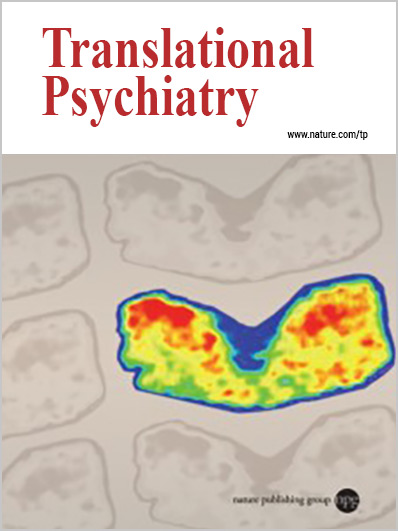
Transcutaneous electrical acupoint stimulation for children with attention-deficit/hyperactivity disorder: a randomized clinical trial
2022 Apr 21 Translational Psychiatry Zhuo L, Zhao X, Zhai Y, Zhao B, Tian L, Zhang Y, et al.
Children with ADHD who received TEAS demonstrated significant improvement in general symptoms, as indicated by higher Clinical Global Impression-Improvement (CGI-I) scores, a greater decrease in Clinical Global Impression-Severity of Illness (CGI-S) scores, and enhanced prefrontal cortex blood flow compared to the sham TEAS group.
Randomised Controlled Trial Acupoint Neurodevelopmental Disorders ADHD

Transcutaneous electrical acupuncture point stimulation improves pregnancy outcomes in patients with recurrent implantation failure undergoing in vitro fertilisation and embryo transfer: a prospective, randomised trial
2019 Feb Acupuncture in Medicine Shuai Z, Li X, Tang X, Lian F, Sun Z
Transcutaneous electrical acupuncture stimulation (TEAS) significantly improves the clinical outcomes of subsequent in vitro fertilisation (IVF) cycles among women who have experienced recurrent implantation failure (RIF).
Randomised Controlled Trial Female Fertility Implantation Failure Embryo Transfer Pregnancy Women's Health IVF Support
Effects and mechanism of action of transcutaneous electrical acupuncture point stimulation in patients with abnormal semen parameters
2019 Feb Acupuncture in Medicine Yu Y, Sha SB, Zhang B, Guan Q, Liang M, Zhao LG, et al.
The present findings suggest that 2 Hz transcutaneous electrical acupuncture point stimulation (TEAS) can improve sperm count and motility in patients with abnormal semen parameters, and is associated with increases in seminal plasma zinc, neutral α-glucosidase (NAG) and fructose. The upregulation of calcium and integrin-binding protein 1 (CIB1) and downregulation of cyclin-dependent kinase 1 b (CDK1) by TEAS may be associated with its positive effects on sperm motility and count.
Randomised Controlled Trial Male FertilityStudy Protocols
Published study protocols are detailed plans that outline the objectives, methodology, statistical analyses, and organisation of a research study that have been made publicly available for others to review and use as a reference.
Presentation Slides

Randomised Controlled Trial
The addition of electroacupuncture and transcutaneous electrical acupoint stimulation can yield significantly improved mental health symptoms in women who have experienced domestic violence.
Yang S, Mok WC, Cheung DST, Tiwari A, Cheng CPW, Chen H, Qin Z, Chan MY, Hu X, Yu KC, Chan PY, Li W, Liu SN, Gu MQ, Yang X, Lee D, Sin SH, Zhang ZJ

Clinical Study
Transcutaneous electrical acupoint stimulation (TEAS) shows promise as a more effective acupuncture type for improving pregnancy outcomes in patients with poor ovarian response.
Liu J, Mai T, Zhu F, Ma J, Liu D, Liu Y, Ouyang X, Wu J

Systematic Review
The use of dilatational waves, low-frequency currents and 30-minute session durations can improve clinical pregnancy rates for in vitro fertilisation and embryo transfer patients.
Zhu H, Shang Z, Ji R, Li C, Zhang J, Su Y, Jiang Z, Du J, Li Y, Liu Q, Liu J, Zheng X, Yang J

Systematic Review
Acupuncture may have a positive impact on clinical pregnancy rate and live birth rate in women undergoing in vitro fertilization (IVF), although the results are limited by the heterogeneity of the current evidence.
Zhang H, Zhang C, Ma P, Sun C, Sun C, Liu X, Pu Z, Lin Y, Liu B, Liu C, Yan S

Experimental Study
Pu-erh tea was found to lower triglyceride and total cholesterol levels more significantly than green, oolong, or black teas.
Huang, F., Zheng, X., Ma, X. et al.

Network Pharmacology
The purple chrysanthemum tea, imbued with unique antioxidants and affected by infusion time, showed comparatively higher antioxidant activity than the yellow chrysanthemum.
Han AR, Nam B, Kim BR, Lee KC, Song BS, Kim SH, Kim JB, Jin CH.

Review Article
Kiwifruits can relieve constipation and irritable bowel syndrome, potentially through protease-activated signaling, modulation of microflora, changes in colonic methane, bile flux, or mediation of inflammatory processes.
Bayer SB, Gearry RB, Drummond LN

Experimental Study
Strictinin, the major phenolic compound in Pu'er teas, shows potential as a natural antibiotic and laxative but has greater inhibitory concentrations than some commercial antibiotics.

Hsieh SK, Xu JR, Lin NH, Li YC, Chen GH, Kuo PC, Chen WY, Tzen JTC

Experimental Study
Pu-erh tea's fermentation process alters its microbial community, with aging significantly impacting raw but not ripened Pu-erh, and toxic metabolites present support brewing customs.
Zhang Y, Skaar I, Sulyok M, Liu X, Rao M, et al.

Network Pharmacology
The consumption of kiwifruit with a meal can increase the rate and extent of the hydrolysis of protein.

Donaldson B, Rush E, Young O, Winger R

Experimental Study
Matcha tea holds nearly 137 times the concentration of epigallocatechin gallate, an important catechin, compared to common green teas.
Weiss DJ, Anderton CR
Executive Summary
Write an executive summary in the form of a blog article on the topic of "Research into Chinese medicine treatment for TEAS" summarising the research below and using language that can be easily understood by patients and avoiding medical jargon using a professional and caring tone of voice.
Write an executive summary in the form of a blog article on the topic of "Researched Chinese medicine treatments for TEAS" summarising the research below in an objective and easy to understand way, and using language that can be easily understood by patients. Group the article into Chinese medicine treatments first, followed by nutrition and other treatments. Avoid using medical jargon and use a professional and caring tone of voice.
Write me a concise but easy to understand executive summary on the topic of "Chinese medicine treatments for TEAS" based on the following research that I will give you. Your summary should be 2 paragraphs long in Australian English spelling and include references to the studies.
A Randomised Controlled Trial published in 2026 in the journal General Psychiatry found that The addition of electroacupuncture and transcutaneous electrical acupoint stimulation can yield significantly improved mental health symptoms in women who have experienced domestic violence. The study was conducted as a randomised controlled trial in Hong Kong, China and involved 110 Chinese women who had undergone domestic violence and had major depressive disorder. The participants were separated into two groups, one receiving care as usual alone, and the other receiving care as usual supplemented with two electroacupuncture sessions and three transcutaneous electrical acupoint stimulation sessions per week for 12 weeks. Outcomes were measured using tools such as the Beck Depression Inventory-II, 17-item Hamilton Depression Rating Scale, 10-item Perceived Stress Scale, PTSD Check List-Civilian Version, Insomnia Severity Index, and the 12-item Short Form Survey for health-related quality of life. In the results, it was found that at the end of the 12 weeks, the group that received the supplementary stimulation treatments had a significantly greater reduction in their depression scores, perceived stress, PTSD symptoms, insomnia severity and improvement in quality of life, compared to the group that received care as usual. In addition, the group receiving the stimulation treatment also showed significantly higher rates of clinical response and remission at the end of the study. No serious adverse events were related to the treatments.
A Clinical Study published in 2026 in the journal Medicine found that Transcutaneous electrical acupoint stimulation (TEAS) shows promise as a more effective acupuncture type for improving pregnancy outcomes in patients with poor ovarian response. In this study, eight databases were searched until September 10, 2023, to include randomized controlled trials that used TEAS, manual acupuncture (MA), or electroacupuncture (EA) as methods before in-vitro fertilization and embryo transplantation, aiming to improve pregnancy outcomes in patients with poor ovarian response. Traditional controlled ovarian stimulation protocols were used in the control group, and the Cochrane Risk of Bias Assessment Tool was employed to evaluate the methodological quality of the incorporated studies. Summary statistics were generated using the surfaces under the cumulative ranking curves. The analysis included fifteen randomized controlled trials, encompassing 1195 women, in a network meta-analysis. The results revealed that TEAS significantly outperformed EA, MA, and the control group in increasing the number of oocytes and antral follicle count. It's notable that manual acupuncture demonstrated a greater increase in the number of mature oocytes compared to the control group. However, the effects of the other treatments didn't show substantial differences when the contrasting groups were analyzed. The evidence currently suggests that using acupuncture as a precursor to in-vitro fertilization brings positive effects and a high safety profile in enhancing pregnancy outcomes in patients with poor ovarian responses, with TEAS appearing to be the most encouraging option.
A Systematic Review published in 2025 in the journal BMJ Open found that The use of dilatational waves, low-frequency currents and 30-minute session durations can improve clinical pregnancy rates for in vitro fertilisation and embryo transfer patients. The researchers conducted a meta-analysis using data extracted from eight databases up to the date of 27 August 2024. The focus was on randomised controlled trials that evaluated the use of electroacupuncture and transcutaneous electrical acupoint stimulation to improve in vitro fertilisation and embryo transfer outcomes. Primary and secondary outcomes included clinical pregnancy rate and live birth rate respectively, along with various electroacupuncture and transcutaneous electrical acupoint stimulation parameters such as waveform type, frequency and treatment duration. Furthermore, seven subgroup variables involving specifics of treatment and participant details were studied for potential influences on the pregnancy outcomes. The meta-analysis covered 27 randomised controlled trials, which comprised a total of 3786 participants, with the overall quality of evidence varying between moderate and very low. Findings showed that the use of dilatational waves, low-frequency currents and a treatment duration of 30 minutes per session noticeably improved clinical pregnancy rates when compared to control groups. Subgroup analysis additionally indicated these outcomes can significantly vary depending on the therapeutic dose administered, particularly showing stronger associations for patients receiving higher therapeutic doses.
A Systematic Review published in 2023 in the journal Chinese Journal of Integrative Medicine found that Acupuncture may have a positive impact on clinical pregnancy rate and live birth rate in women undergoing in vitro fertilization (IVF), although the results are limited by the heterogeneity of the current evidence. This study aimed to assess the efficacy of acupuncture on embryo transfer in women undergoing in vitro fertilization (IVF). A total of 49 randomized controlled trials (RCTs) involving 9422 women were analyzed. The results indicated that acupuncture had a significant positive impact on the clinical pregnancy rate (CPR) and live birth rate (LBR) compared to the control groups (odds ratio [OR]=1.65 for CPR, 1.34 for LBR). Subgroup analyses showed that traditional acupuncture was more beneficial for women aged < 35 years, those receiving ≥ 3 sessions, and those with lower baseline CPR rates in the control group. However, significant heterogeneity was observed among the studies. In conclusion, while there were some benefits of acupuncture in improving CPR and LBR in IVF, the results should be interpreted with caution due to the variability in the current evidence.
A Experimental Study published in 2019 in the journal Nature Communications found that Pu-erh tea was found to lower triglyceride and total cholesterol levels more significantly than green, oolong, or black teas. Comparative studies using rodents treated with Pu-erh tea, green tea, and black tea provided supporting evidence that fully fermented Pu-erh tea is more effective in causing hypolipidemic and hypocholesterolemic effects compared to other partially fermented and non-fermented teas.
A Network Pharmacology published in 2019 in the journal Molecules found that The purple chrysanthemum tea, imbued with unique antioxidants and affected by infusion time, showed comparatively higher antioxidant activity than the yellow chrysanthemum. Methodologically, the researchers used a variety of testing methods to analyze the phytochemical composition and antioxidant activity of the γ-irradiated mutant chrysanthemum cultivar with dark purple petals (ARTI-Dark Chocolate) and the conventional yellow variety (Gamguk). The influence of different water temperatures and infusion time on the content and activity was also investigated. In addition, the floral scent of both tea types were investigated using spectrometry. Discussion of the results indicates that the phytochemical profiles of both the yellow and purple chrysanthemum teas varied significantly. Purple chrysanthemum tea contained anthocyanins and linarin, which were not present in the yellow variety, and had higher levels of certain compounds. The infusion time and temperature also impacted the purple variety more than the yellow, with the highest total compound content appearing at 100 °C after 4 minutes of infusion. In the antioxidant tests, the purple chrysanthemum tea demonstrated superior antioxidant activity, which was attributed to its high anthocyanin content. In all infusing conditions, both teas presented strong radical scavenging effects.
A Review Article published in 2017 in the journal Critical Reviews in Food Science and Nutrition found that Kiwifruits can relieve constipation and irritable bowel syndrome, potentially through protease-activated signaling, modulation of microflora, changes in colonic methane, bile flux, or mediation of inflammatory processes. The review outlines the physiological processes underlying constipation and irritable bowel syndrome, and discusses the nutritional composition of kiwifruits. It delves into recent advances made in the study of kiwifruits and their impact on abdominal comfort, with the focus being given to the effect of kiwifruit fibers on gastrointestinal health. The study also identified and examined certain gaps in the existing research, using indications from studies on other foods known to affect the gastrointestinal tract to derive possible mechanisms of kiwifruits' beneficial actions. In discussing the results, the review observed that while the effect of kiwifruit fibers on gastrointestinal health is well established, the supposed increase in gastrointestinal motility caused by kiwifruits is yet to be fully characterized. Numerous potential mechanisms were invoked that could be contributing to the physiological effects observed - these included the induction of motility through protease-activated signaling, the modulation of microflora in the gut, alterations in colonic methane status or bile flux, and the mediation of inflammation within the gut.
A Experimental Study published in 2016 in the journal Journal of Food and Drug Analysis found that Strictinin, the major phenolic compound in Pu'er teas, shows potential as a natural antibiotic and laxative but has greater inhibitory concentrations than some commercial antibiotics. The study isolated strictinin from the young leaves and buds of wild Pu'er tea trees to evaluate its antibacterial and laxative properties. Its minimum inhibitory concentrations against two types of bacteria (Propionibacterium acnes and Staphylococcus epidermidis) were measured and compared to typical antibiotics. The study also tested the effects of combining strictinin with commercial antibiotics. Moreover, rat feeding tests were conducted to observe laxative effects. The results showed that strictinin does have antibacterial properties albeit requiring higher concentrations compared to some conventional antibiotics. Its use in tandem with other antibiotics demonstrated additive and synergistic effects in inhibiting bacterial activity. Additionally, a laxative effect was confirmed in rats, which was likely caused by increased small intestine transit but not diarrhea or increased food intake. This suggests strictinin could be one potential ingredient in Pu'er tea responsible for antiviral, antibacterial, and laxative effects.
A Experimental Study published in 2016 in the journal PLOS One found that Pu-erh tea's fermentation process alters its microbial community, with aging significantly impacting raw but not ripened Pu-erh, and toxic metabolites present support brewing customs. The researchers looked into the microbial communities inherent in Pu-erh tea, a special blend originating from Yunnan, China. The fresh leaves of the tea plant, Camellia sinensis, undergo two types of fermentation- the traditional raw fermentation and the faster, ripened variant. Using high-throughput rDNA-amplicon sequencing, a method to identify and quantify various bacteria and fungi present, they examined both the leaves and both types of Pu-erh tea. The study also explored possible mycotoxins in the tea profiles through quantitative liquid chromatography-tandem mass spectrometry, a technique used to detect and quantify various substances. Despite observing significant alterations in the fungal and bacterial compositions due to both fermentation processes, the researchers found the aging process to produce noteworthy changes in raw Pu-erh but not in the ripened type. They identified 390 fungal operational taxonomic units (OTUs) and 629 bacterial OTUs in the leaves and teas. Interestingly, despite the difference in the speed and nature of the fermentation processes, ripened and well-aged raw Pu-erh teas exhibited similar microbial communities alien from those observed in young, raw Ph-erh tea. They also found 25 toxic metabolites, primarily of fungal origin, with the most common being patulin and asperglaucide. These facts lend credibility to the Chinese custom of discarding the first preparation of the Pu-erh tea and using the damp tea for subsequent brewing.
A Network Pharmacology published in 2014 in the journal Nutrients found that The consumption of kiwifruit with a meal can increase the rate and extent of the hydrolysis of protein. This in vitro study has shown that in elevated gastric pH conditions, such as may present with compromised gastric function, the addition of kiwifruit protease more than doubled the rate of hydrolysis of meat protein. This novel finding supports the hypothesis that consumption of kiwifruit with a meal can increase the rate and extent of the hydrolysis of protein. Evidence is also provided that when the added acid concentration decreased from 0.074 M to 0.022 M (HCl), pepsin activity reduced by 50% and kiwifruit activity increased by 300%. This evidence indicates that kiwifruit may exert its influence on digestion by increasing the extent of protein digestion in the gastric medium when the secretion of pepsin and/or hydrochloric acid is less than optimal. It is reported [12] in a study of 365 healthy subjects, average fasting gastric pH was 2.16 ± 0.11 for men and 2.79 ± 0.18 for women, but in another study of 79 healthy elderly people [13], 11% of the participants recorded fasting gastric pH > 5.0 throughout the study.
A Experimental Study published in 2003 in the journal Journal of Chromatography A found that Matcha tea holds nearly 137 times the concentration of epigallocatechin gallate, an important catechin, compared to common green teas. Researchers devised a fast method to evaluate the presence of five key catechins and caffeine in matcha using micellar electrokinetic chromatography. This analytical process examined matcha in both its water-based and methanol extractions, and then it was juxtaposed with the outcome of a water extraction of a popular green tea. The comparison was made basing it on a milligram catechin per gram of dry leaf parameter. In lieu of the data results from this methodology, it was observed that the available concentration of epigallocatechin gallate, a major catechin, from consuming matcha significantly surpassed - by 137 folds - the quantity obtainable from a well-known green tea called 'China Green Tips.' Furthermore, it also exceeded by at least three times the largest concentration reported in other green teas, according to existing literature. These results underscore matcha's significantly higher health potential when compared to other conventional green teas.
Moderation Tools
Topic
Sign In
Users not signed in are limited to viewing the 5 most recent items of content.
Review(s) Completed, Editorial Evaluation Pending, as of 20 Oct 2021. —Ve-Vinn L 22 Oct 2021